
Guns: American Classics · Red Meat & Cigar Club editorial
Range Day & Shooting Sports Basics
Gear, range commands, etiquette, and sports worth trying.
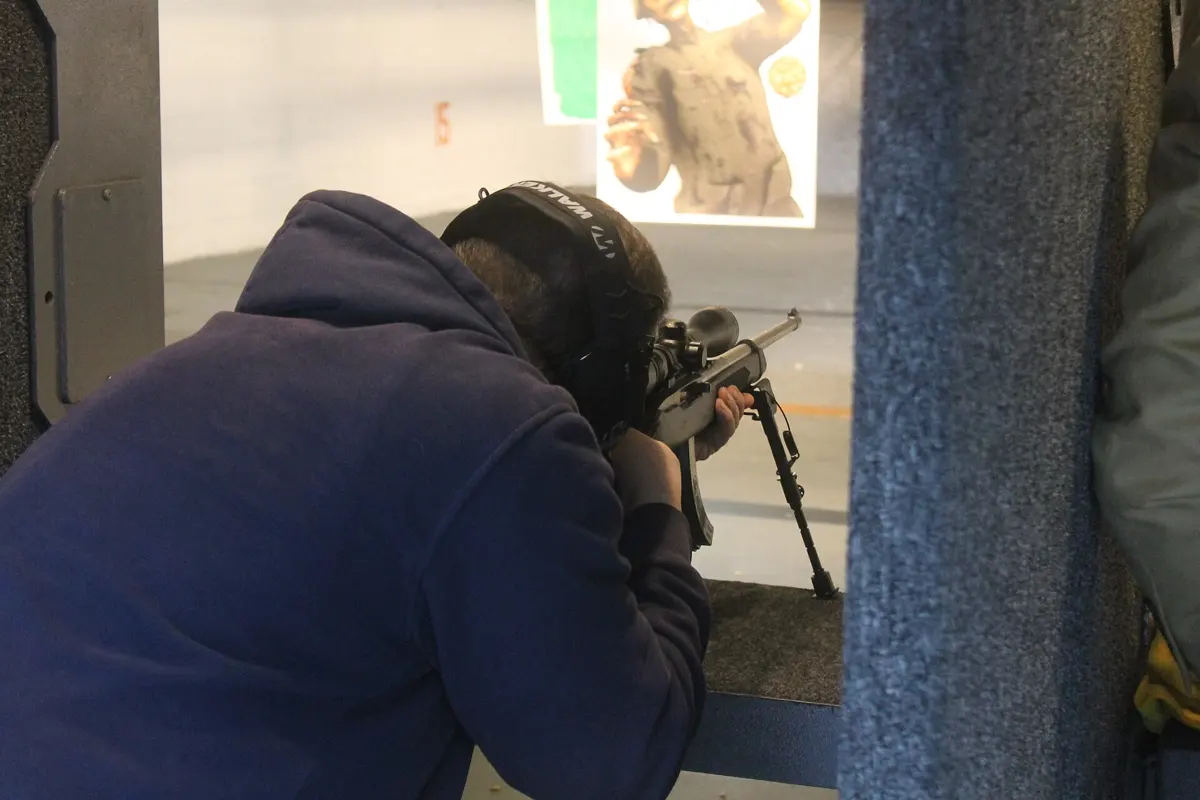
A day at the range is one of the great American weekend traditions. You might be punching paper with a .22, sighting in a deer rifle before the season, or breaking clays with friends. Here's what a first-timer should know so the day is safe, legal and fun.
Start with a class or a guided first visit
Many ranges offer introductory classes, range-safety orientations, or a first visit with an instructor. Organizations such as the National Rifle Association, USA Shooting, and many state wildlife agencies and local clubs run beginner programs. Even experienced shooters have to complete a safety briefing at many ranges before they're allowed on the line. Learning from a certified instructor is the fastest way to build good habits.
Gear you actually need
- Eye protection. Shatter-resistant shooting glasses, worn the whole time you're on the line.
- Ear protection. Gunshots are loud enough to damage hearing. Foam plugs, earmuffs, or both. Many shooters double up indoors.
- Proper clothing. Closed-toe shoes, and a shirt without a low, open neckline — hot brass ejected from a firearm can land where you don't want it.
- The correct ammunition. Use only ammunition that matches the caliber stamped on the barrel.
- A case. Most ranges require firearms to arrive unloaded and cased.
Range commands and etiquette
Ranges run on clear rules, and the range safety officer (RSO) is in charge. The most important command is "Cease fire." Anyone can call it if they see something unsafe. When you hear it, stop shooting immediately, take your finger off the trigger, unload, and step back from the line. Nobody goes forward to change targets until the range is declared "cold," meaning every gun is unloaded and nobody is handling one.
Other common courtesies:
- Keep the muzzle pointed downrange at all times.
- Keep actions open and guns unloaded when you're not on the firing line.
- Don't handle a firearm while people are downrange.
- Ask before touching someone else's gun, and never offer advice to a stranger who didn't ask for it.
Shooting sports worth trying
Rimfire target shooting. A .22 LR rifle is quiet, has very little recoil, and the ammunition is cheap compared with centerfire calibers. It's the standard way to learn fundamentals like sight alignment, breathing and trigger control.
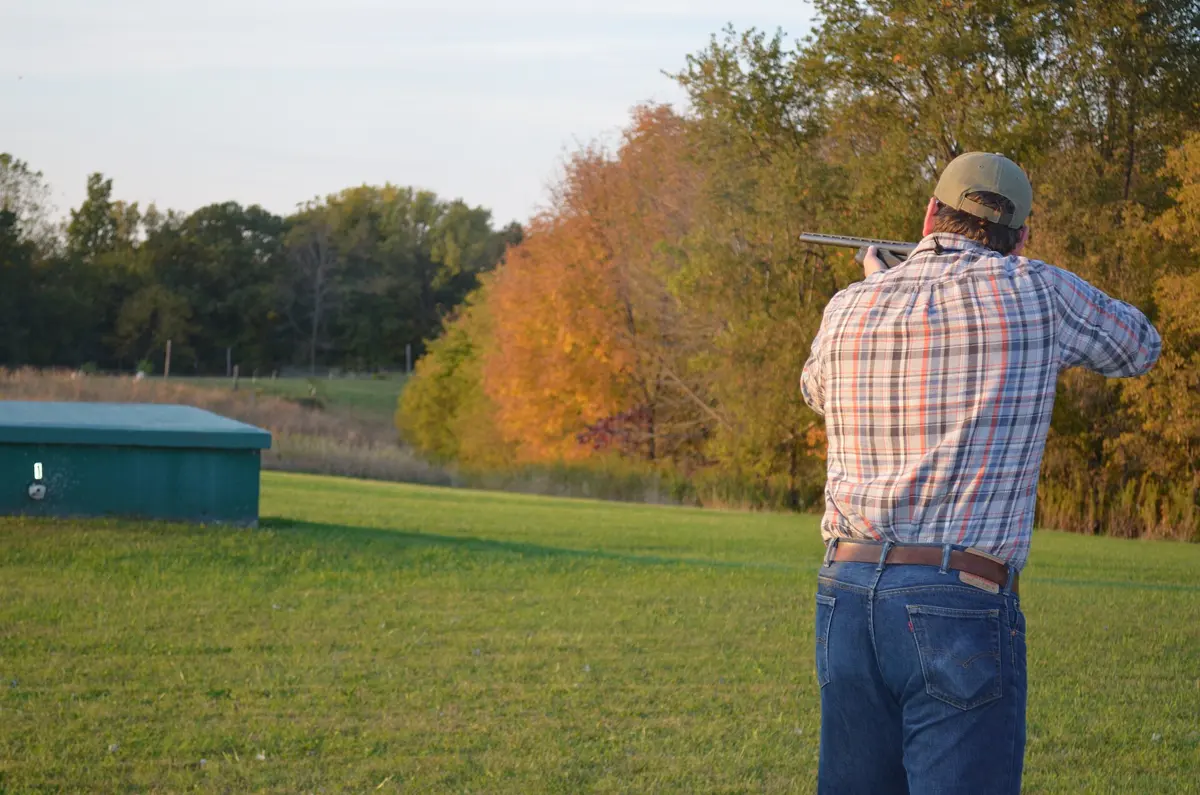
Trap, skeet and sporting clays. Shotgun sports where you break clay targets thrown from machines. Trap targets fly away from the shooter. In skeet they cross between two houses. Sporting clays is often described as "golf with a shotgun," with stations laid out across a course to imitate game birds.
Precision rifle and silhouette. Long-range shooting at steel targets or metallic animal silhouettes.
Action and practical shooting. Timed courses of fire that test speed and accuracy, run under organizations such as USPSA and IDPA. These are for people who already have solid safety habits.
Cowboy action shooting. Competitors in period dress shoot single-action revolvers, lever-action rifles and side-by-side or pump shotguns — the same family of guns covered in our American icons article.
Fundamentals to work on
- Stance and grip: stable, balanced, and the same every time.
- Sight alignment and sight picture: front sight sharp, target slightly blurred.
- Trigger control: a smooth press straight back rather than a jerk.
- Follow-through: keep the sights on target through the shot.
After the range
Unload and case your firearms before you leave the line. Wash your hands (and face) before eating or smoking, since firing ranges can leave lead residue. Then clean your firearms at home — see our guide to caring for a classic firearm — and store them safely.
Affiliate disclosure: Red Meat & Cigar Club may earn a commission from some links on this site at no extra cost to you. Learn more.