
Guns: American Classics · Red Meat & Cigar Club editorial
Caring for a Classic Firearm
Cleaning, finishes, storage, and when to see a gunsmith.
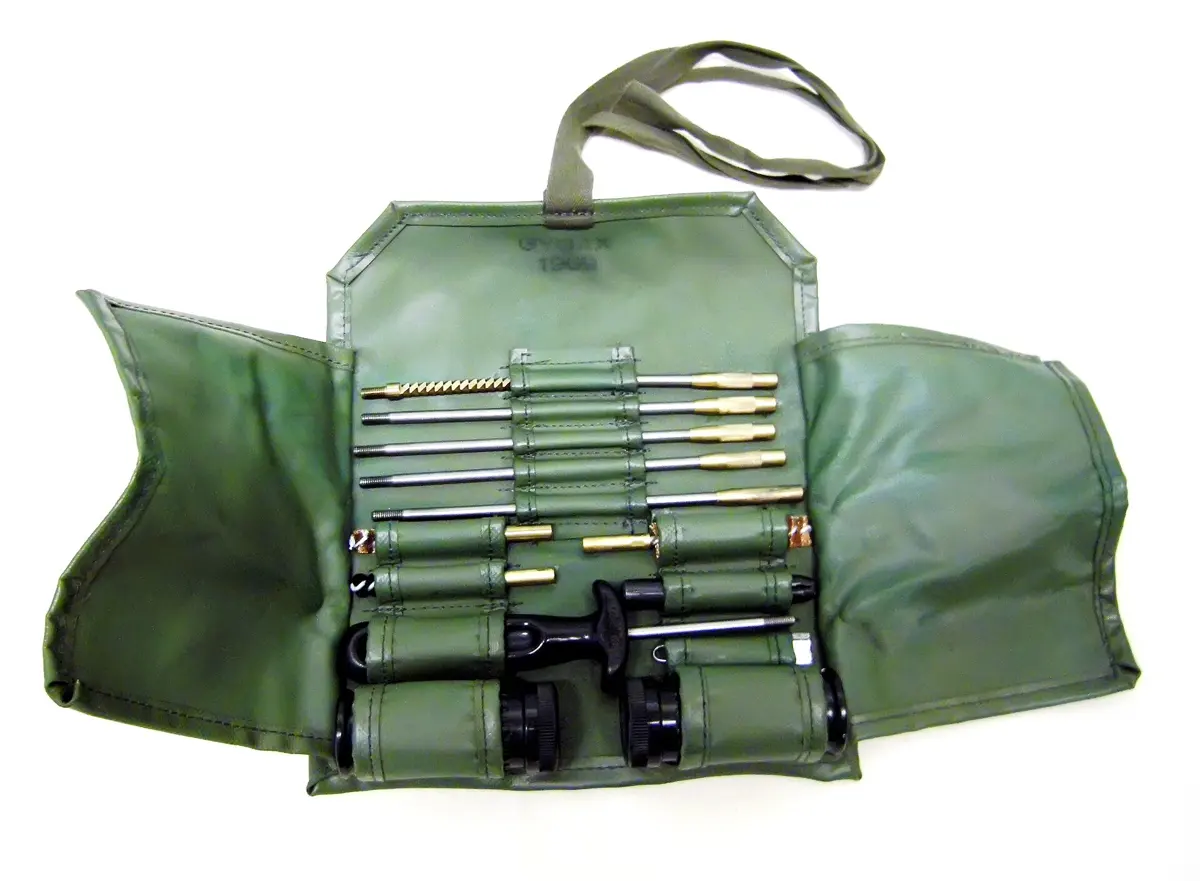
A well-made firearm can last generations if it's cared for. Many families have a grandfather's shotgun or a father's deer rifle that is still in use decades later. Here's a practical overview of keeping a classic firearm in good condition, with the warning that anything beyond routine cleaning belongs with a qualified gunsmith.
Safety first, every time
Before any cleaning or inspection: point the muzzle in a safe direction, remove the magazine (if any), open the action, and visually and physically check the chamber and magazine to confirm it is empty. Remove all ammunition from the work area. Clean in a well-ventilated space and wear eye protection, since solvents and springs can both cause injuries.
Basic cleaning kit
- A cleaning rod (or pull-through cord) sized for the bore
- Bore brushes and jags or slotted tips in the right caliber or gauge
- Cotton patches
- Bore solvent and a quality gun oil or protectant
- A soft nylon brush, cloths, and cotton swabs
- The owner's manual for the specific firearm
Routine cleaning
- Field strip only as far as the manual describes. Most guns are designed so that the owner can do basic disassembly for cleaning. Going further can lose small parts or damage the gun.
- Clean the bore. Run a solvent-wet patch through, let it sit, scrub with a bore brush, then follow with clean patches until they come out clean. Many people clean from the breech end when the design allows, to protect the crown of the muzzle.
- Clean the action. Remove powder residue and old oil with a brush and solvent.
- Lubricate lightly. A thin coat of oil protects metal; too much attracts dirt and can gum up mechanisms, especially in cold weather.
- Wipe down the exterior. Fingerprints carry salts and moisture that can cause rust on blued steel.
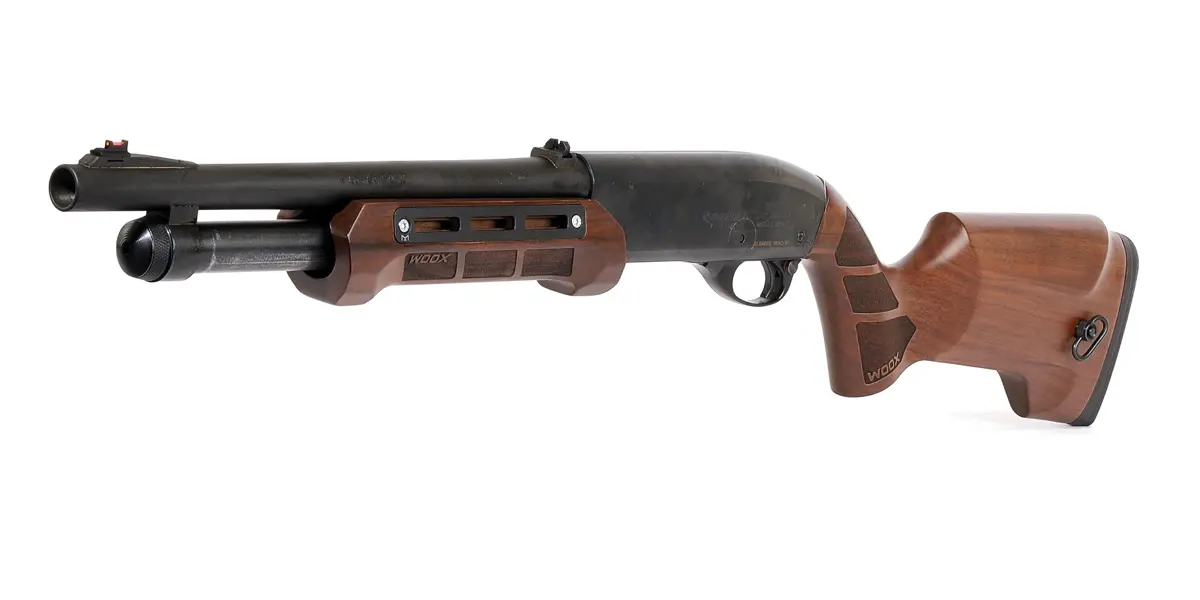
Wood and bluing
Many classic guns have walnut stocks and blued steel. Bluing is a controlled oxidation finish that offers only limited rust protection, so keep it lightly oiled and handle it with clean hands. Wood stocks benefit from occasional care with a product suited to the original finish. Don't strip or refinish an older or collectible firearm. Original finish is a big part of a collectible gun's value, and refinishing can sharply reduce it.
Storage environment
Humidity is the enemy of steel. Store firearms in a locked safe or cabinet with a dehumidifier or desiccant. Avoid storing guns in foam-lined cases long-term, since the foam can trap moisture against metal. Keep firearms away from big temperature swings that cause condensation.
When to see a gunsmith
- Before firing an inherited or antique firearm you haven't had inspected.
- Any malfunction, unusual wear, cracks, bulges, pitting in the bore, or a trigger that doesn't feel right.
- Any repair, part replacement or modification. Some modifications are illegal under federal or state law, so leave alterations to licensed professionals who know the rules.
- Older shotguns with Damascus or twist-steel barrels, which may not be safe with modern ammunition.
Document your collection
Keep a record of make, model and serial number for each firearm, along with photos and any receipts or family history. It helps with insurance and with recovery if a gun is ever stolen, and it preserves the story for whoever inherits it.
Affiliate disclosure: Red Meat & Cigar Club may earn a commission from some links on this site at no extra cost to you. Learn more.