Spirits · November 12, 2026 · RMCC 0179
Bottled-in-Bond Explained: The 1897 Law That Put the Government's Name Behind Your Whiskey
Bottled-in-bond means one distillery, one distiller, one distilling season, at least four years in a federally bonded warehouse and exactly 100 proof. Here's how the 1897 law came about.
See "Bottled-in-Bond" on a label and you're reading a promise backed by federal law. And it goes back to 1897.
Back then, a lot of so-called straight whiskey wasn't straight at all. Shady sellers stretched it and doctored it with coloring, iodine, even tobacco. Honest distillers were getting buried.
So a group of them, led by Col. Edmund Haynes Taylor Jr. of Old Taylor fame, teamed up with Treasury Secretary John G. Carlisle. Congress passed the Bottled-in-Bond Act, and it became law on March 3, 1897. For the first time, the federal government stood behind a whiskey's authenticity.
The rules still stand today. To be bonded, a spirit must be:
- Made by one distiller at one distillery
- From a single distilling season (January to June, or July to December)
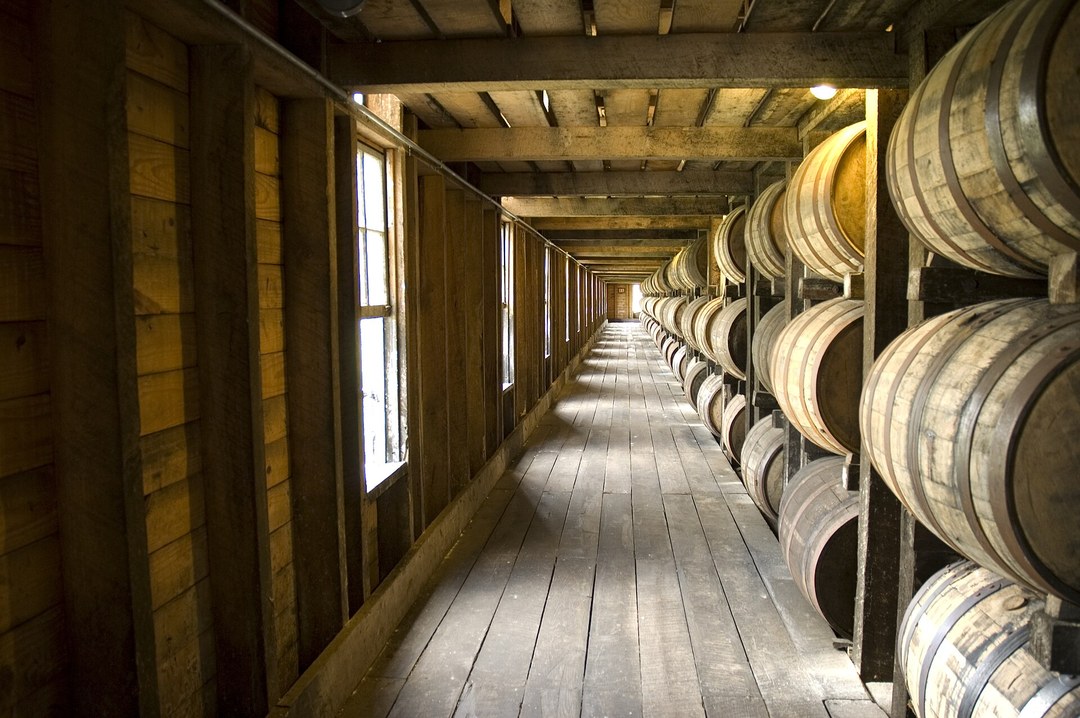
- Aged at least four years in a federally bonded warehouse under government supervision
- Bottled at exactly 100 proof
- Labeled with the distillery where it was made, and where it was bottled if that's somewhere else
There was something in it for the distillers too. They didn't have to pay the excise tax until the whiskey was done aging. In return, Treasury agents controlled who got into those warehouses.
The law covers any spirit, but you'll mostly see it on bourbon and rye. Bonded corn whiskey and applejack are out there too.
Single distillery, single season, a fixed proof. It's one of the most honest labels on the shelf.
What's your go-to bonded pour?
Sources & image credits
- Wikipedia: Bottled in bond (Bottled-in-Bond Act of 1897, P.L. 54-379, March 3, 1897; adulteration; E.H. Taylor Jr. and Treasury Secretary John G. Carlisle; one season, one distiller, one distillery; four years in federally bonded warehouse; 100 proof; label rules; tax deferral; Treasury agents; bonded rye, corn whiskey, applejack)
- eCFR: 27 CFR Part 5, Labeling and Advertising of Distilled Spirits (current federal standards incl. bottled-in-bond)
Image attribution, source, license and modifications are shown in the caption above.
Facts checked November 12, 2026 at 1:08 PM MST.