
Why Fly Fishing
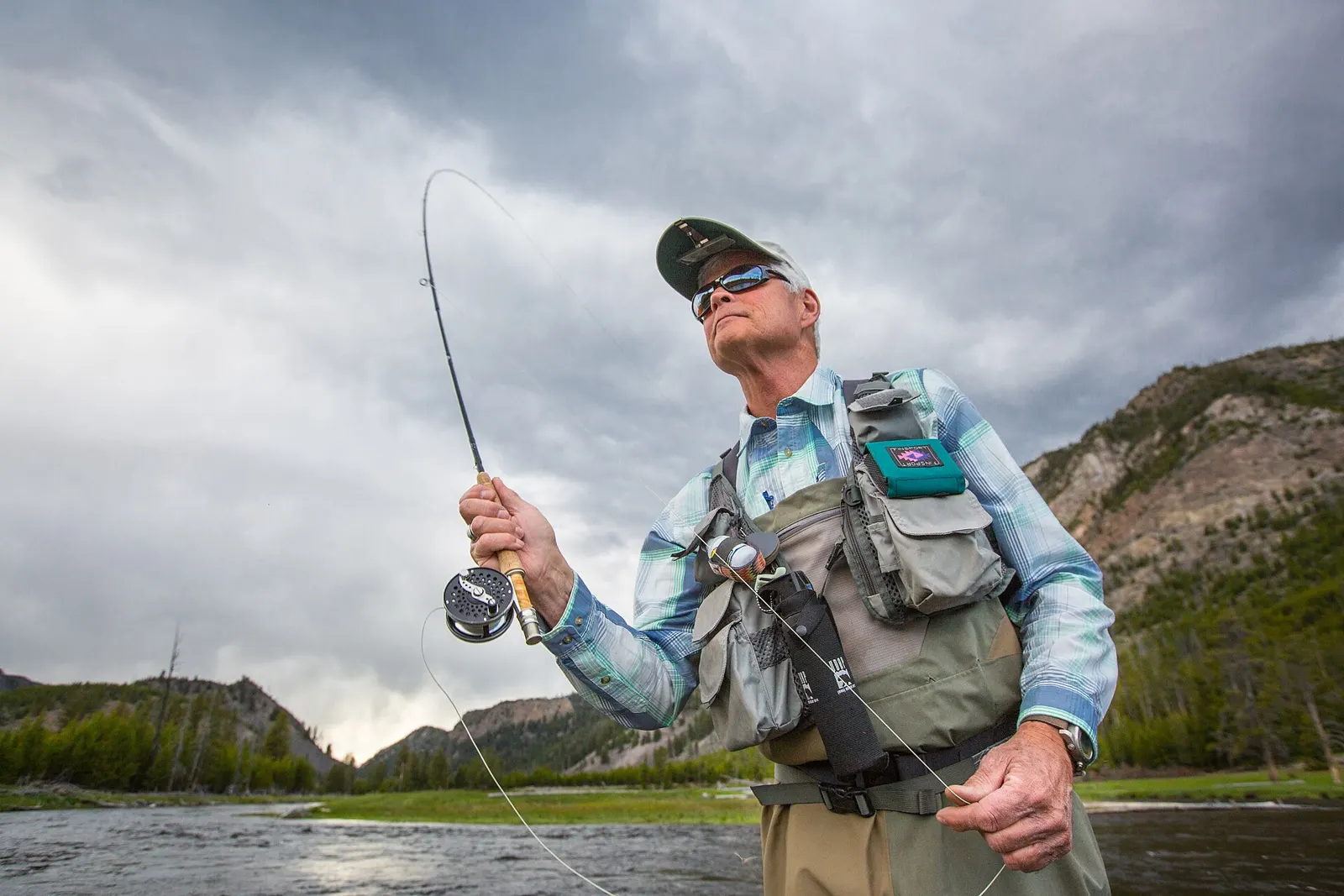
Spin fishing sends a heavy lure out on a light line. Fly fishing does the opposite: the line itself is heavy and carries a nearly weightless fly. That one change is why the cast looks the way it does, and why a good drift on moving water is such a satisfying skill to learn. You read the river, match what the fish are eating, and make small adjustments until something eats. Most of the time nothing does, and you will still enjoy yourself.


Colorado · Gold Medal Waters
The Rivers
Colorado Parks & Wildlife gives its Gold Medal designation to the state's very best trout water — rivers that reliably produce large numbers of trout over 14 inches. A few of the best-known names for fly anglers:
 Gold Medal
South Platte
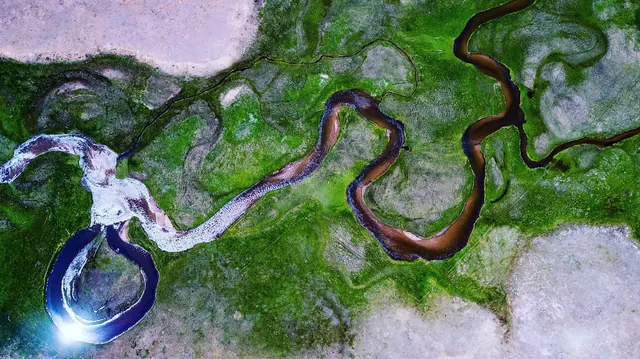
Colorado's famous tailwater stretches — Cheesman Canyon, Deckers and the “Dream Stream” below Spinney Mountain — are technical, crowded on good days and home to big, selective rainbows and browns. Think tiny midges, light tippet and patience. The headwaters up in South Park are quieter, smaller water.
 Gold Medal
Fryingpan River
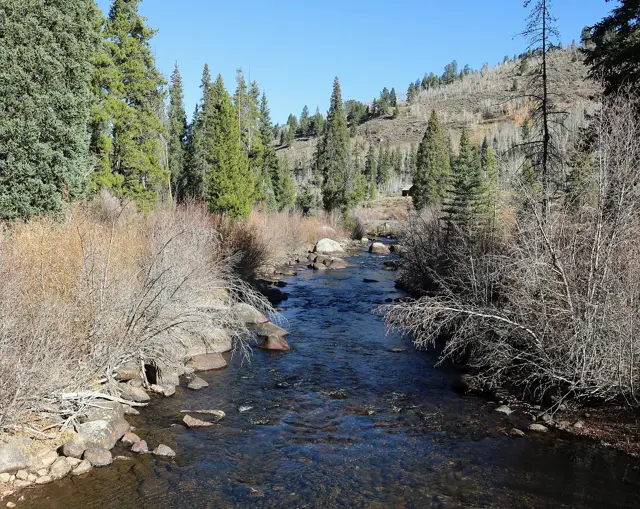
A cold tailwater below Ruedi Reservoir, running down to Basalt and the Roaring Fork. Clear, steady flows make for some of the most reliable dry-fly fishing in the state — midges and blue-winged olives most of the year, with seasonal hatches that bring fish up to the surface.
 Colorado Trout Water
Arkansas River
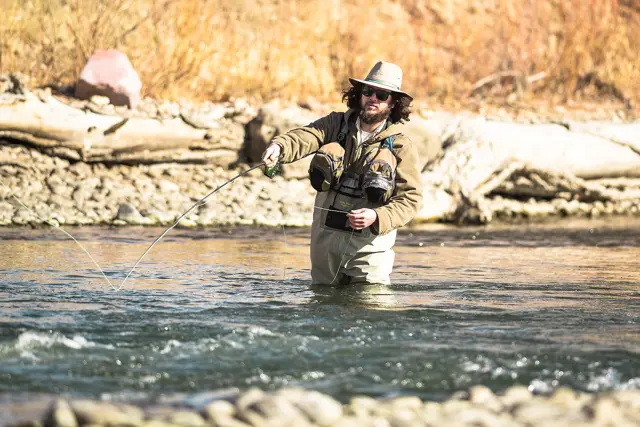
Big, freestone water with a long season. The stretch through Salida is known for brown trout and for the spring caddis hatch in late April and May; below Pueblo Reservoir (pictured) the tailwater also fishes year-round. Mind the high spring runoff, when the river is often too high to fish.
 Gold Medal
Gunnison River
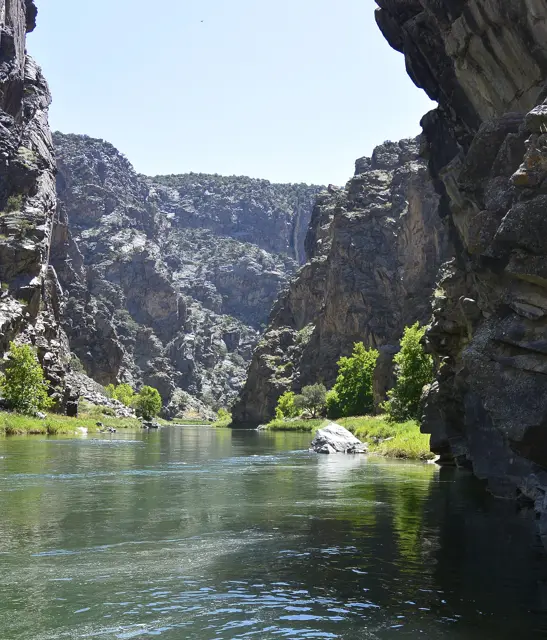
The Gunnison Gorge is the classic hike-in or raft-in day: steep canyon walls, deep pools and big stoneflies. The famous salmonfly hatch arrives in late spring or early summer. Getting there takes effort, so the fishing pressure is lighter than on the roadside rivers.
Gear & Flies
What You Need
You do not need a thousand dollars of gear to start. A balanced outfit, a handful of proven flies and a good pair of waders will carry you through your first seasons.
 Flies
A Fly Box That Works
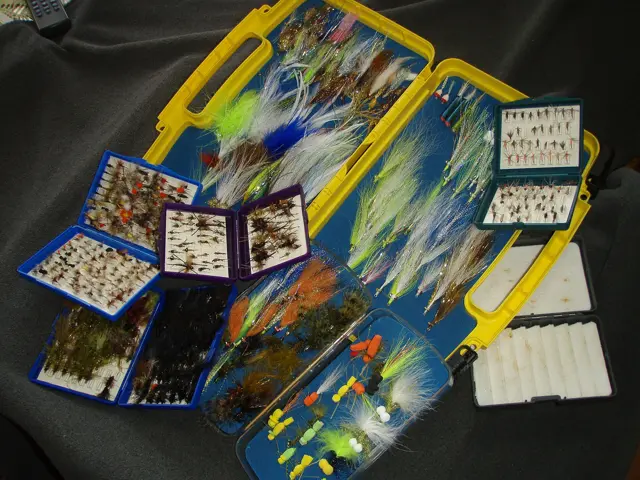
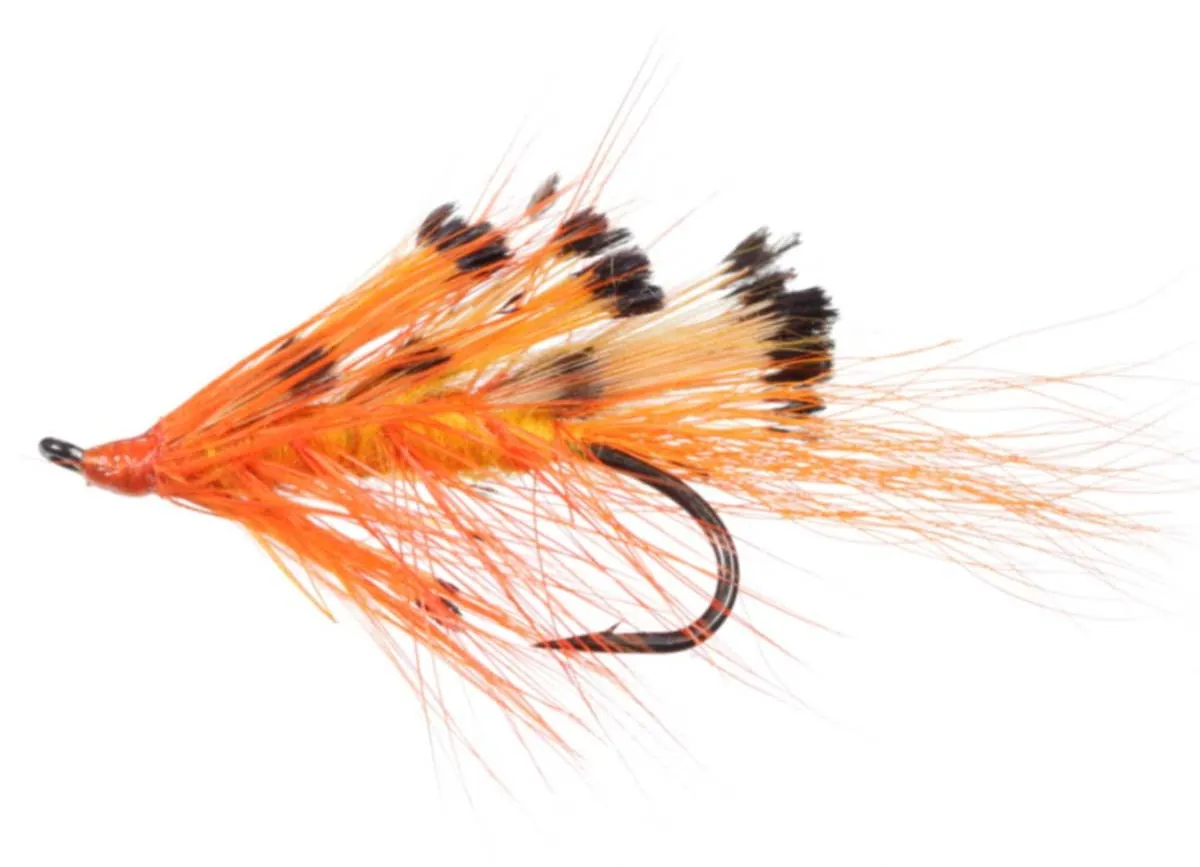
Start small and cover the basics: a few dry flies (Elk Hair Caddis, Parachute Adams), nymphs (Pheasant Tail, Hare's Ear, Zebra Midge), and a couple of streamers (Woolly Bugger). Buy a dozen patterns in several sizes rather than a hundred patterns in one.
The All-Round Outfit
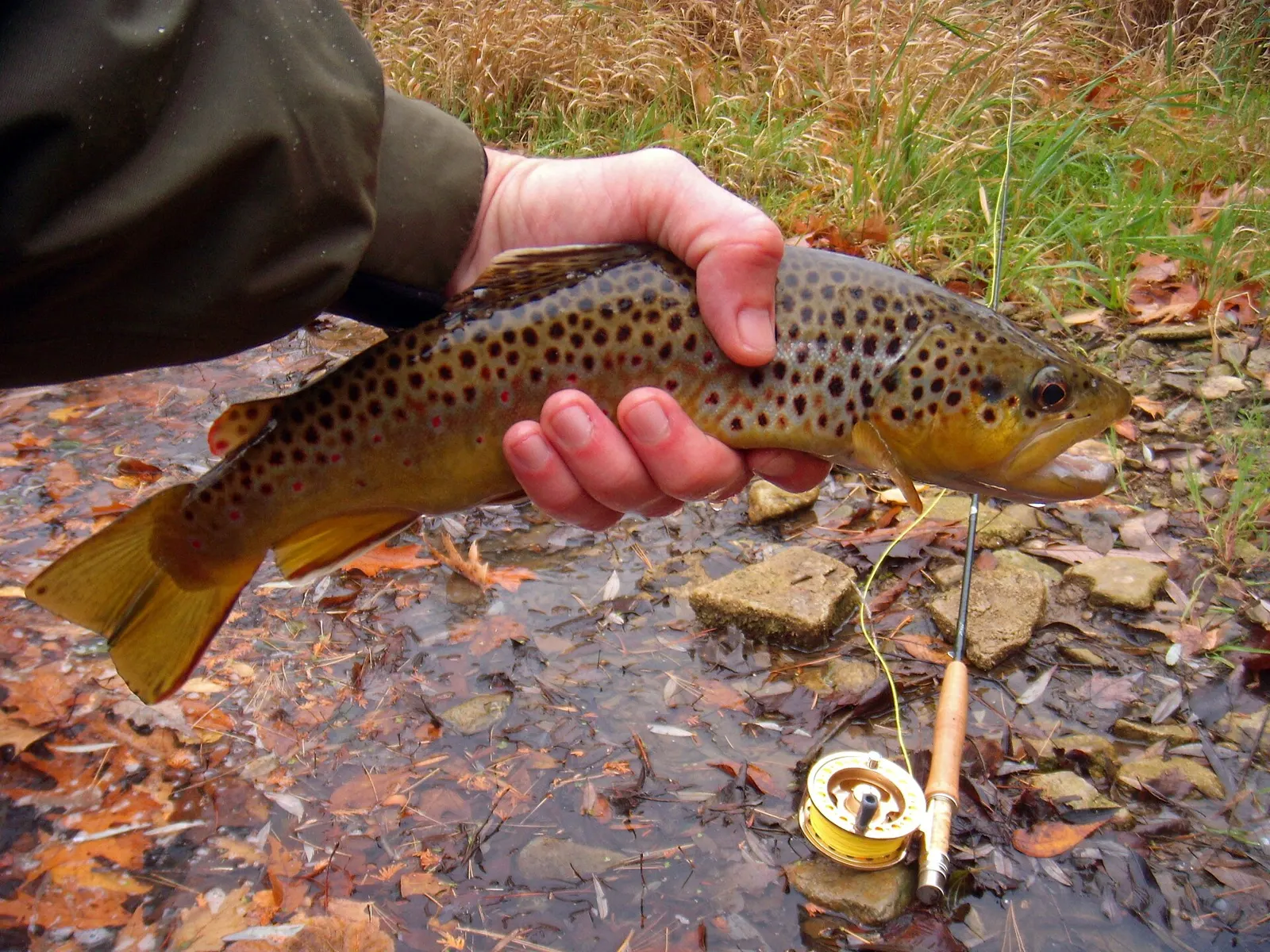
A 9-foot, 5-weight rod with a matching reel and a weight-forward floating line handles most trout water in Colorado. Go lighter (3–4 weight) for small creeks and heavier (6–7) for big rivers and streamers or wind.
The Last Few Feet
A tapered leader of 9 feet to 4X or 5X, plus spools of tippet from 3X to 6X, is the real connection to the fish. Fluorocarbon sinks and hides well for nymphing; nylon floats better for dry flies.
Waders, Boots & Net
Breathable waders, felt-free or studded boots, a wading belt, polarized glasses and a rubber-mesh net. Cold water is the biggest risk on the river: dress in layers and wade deliberately.


Trips
Planning a Day on the Water
Hire a Guide First
A guided half-day or full-day float or wade trip is the fastest way to learn reading water, mending and fly selection — and the gear is usually provided. Book well ahead for summer weekends on the best rivers.
License & Regulations
A Colorado fishing license is required for most anglers, and many Gold Medal stretches have special limits such as catch-and-release or artificial flies and lures only. Check Colorado Parks & Wildlife for current regulations, closures and flows before you go.
When to Go
Spring runoff (roughly May–June) often blows out freestone rivers. Summer is prime on the high rivers, fall brings aggressive brown trout, and winter midge fishing on tailwaters can be surprisingly good.
River Etiquette
Give other anglers room, stay off private banks, keep your fish wet if you release it, and pack out everything. A bad day on a good river still beats a good day at the office.
Also at the water
Conventional Fishing
Not every day needs a fly rod. Spinning and baitcasting gear is the easiest way to get started, and it is still how most fish are caught.
 Conventional
Spinning & Lake Fishing
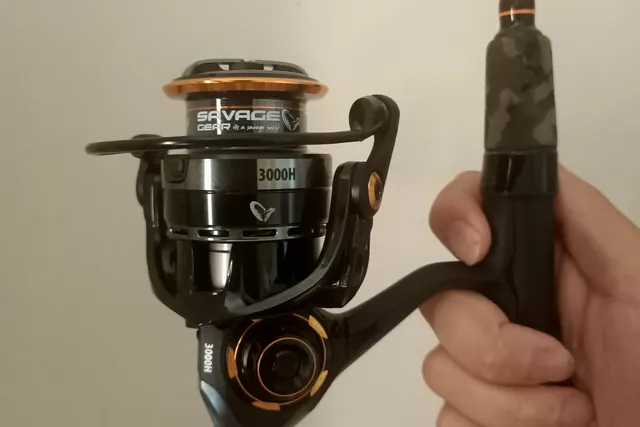
A 6½-to-7-foot medium spinning rod with 6–10 pound line covers trout, bass, walleye and pike in most reservoirs. Spinners, spoons, jigs and soft plastics do the work. It is simple, forgiving, and great for the whole family.
Baitcasting & Heavier Gear
For bigger lakes and bigger fish — pike, muskie, saltwater — a baitcasting or heavier spinning outfit with braided line gives distance and power. It takes more practice to cast without backlash.
Fish to the Table
Keeping a few legal trout? Gut them right away, keep them cold, and cook them simply: salt, butter, lemon, a hot grill. See the Grill section for fire and technique.
Photo Credits
- A fly fisherman in waders and a vest mid-cast on the Madison River in Yellowstone National Park — Photo: Neal Herbert / Wikimedia Commons, Public domain
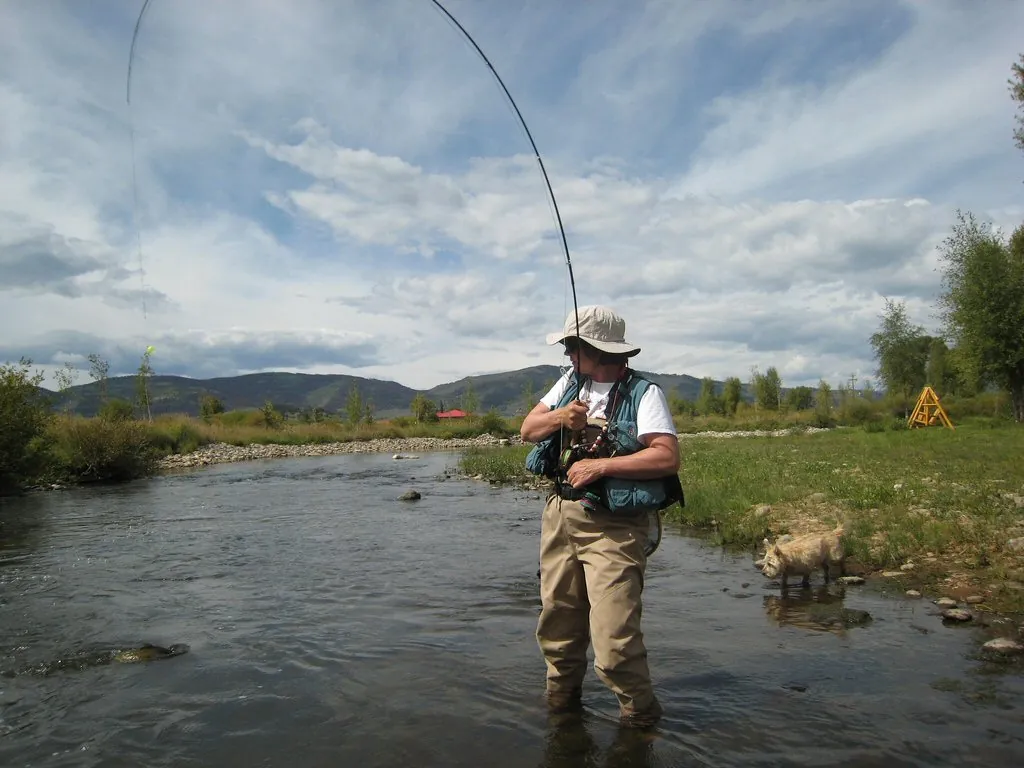
- A fly fisher in waders standing in a stream with a bent rod and a fish on — Photo: bugeaters / Wikimedia Commons, CC BY 2.0
- An aerial view of the South Platte River winding across the Colorado plains — Photo: Thomas Elliott / Wikimedia Commons, CC0
- The Fryingpan River at Norrie, Colorado, running clear past evergreens and willows — Photo: Jeffrey Beall / Wikimedia Commons, CC BY 4.0
- A fly fisherman wading and casting in the Arkansas River below Pueblo Reservoir, Colorado — Photo: PEO ACWA / Wikimedia Commons, CC BY 2.0
- The Gunnison River flowing between steep canyon walls in the Gunnison Gorge, Colorado — Photo: mypubliclands / Wikimedia Commons, Public domain
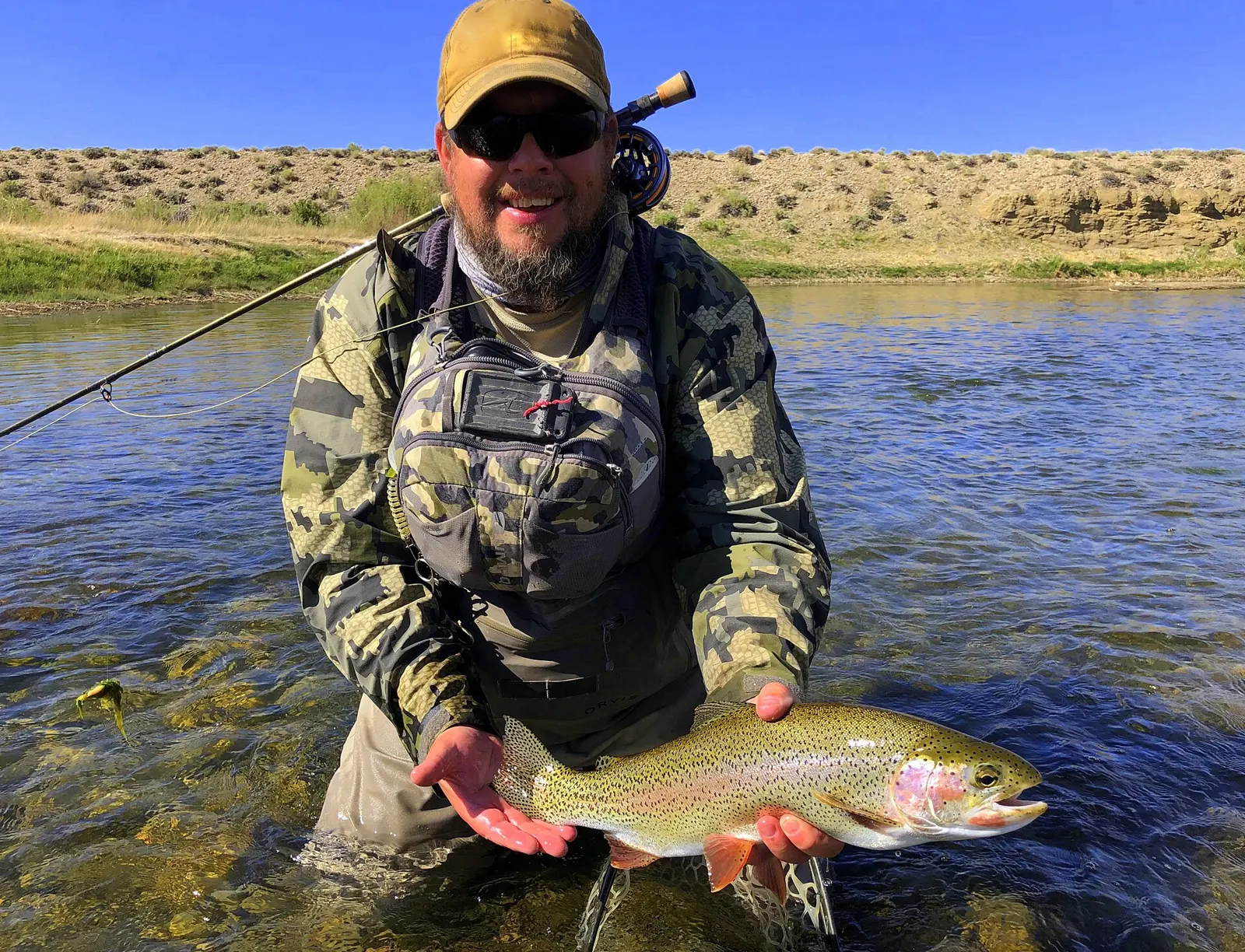
- An angler in waders releasing a rainbow trout back into a river — Photo: USFWS Mountain Prairie / Wikimedia Commons, Public domain
- A hand holding a small brown trout above a fly rod and reel — Photo: Bill Blevins / Wikimedia Commons, CC BY 2.0
- An open set of fly boxes full of trout, warmwater and saltwater flies — Photo: Mike Cline / Wikimedia Commons, Public domain
- A General Practitioner salmon fly dressed with orange and black feathers — Photo: DeliciousDunder / Wikimedia Commons, CC0
- A spinning reel mounted on a fishing rod, held in one hand — Photo: JaredMcKenzie / Wikimedia Commons, CC0


All photos are self-hosted, resized and compressed to WebP. See the full list on the photo credits page.
Affiliate disclosure: Red Meat & Cigar Club may earn a commission from some links on this site at no extra cost to you. Learn more.