
Cigars / History · November 18, 2026 · RMCC 0233
Cigar City: How Vicente Martinez Ybor's 1886 Factory Turned Tampa Into America's Cigar Capital
In 1886, Vicente Martinez Ybor opened the first brick cigar factory in Tampa. Within a few decades, the neighborhood that grew around it was rolling hundreds of millions of cigars a year and Tampa had a new nickname: Cigar City.
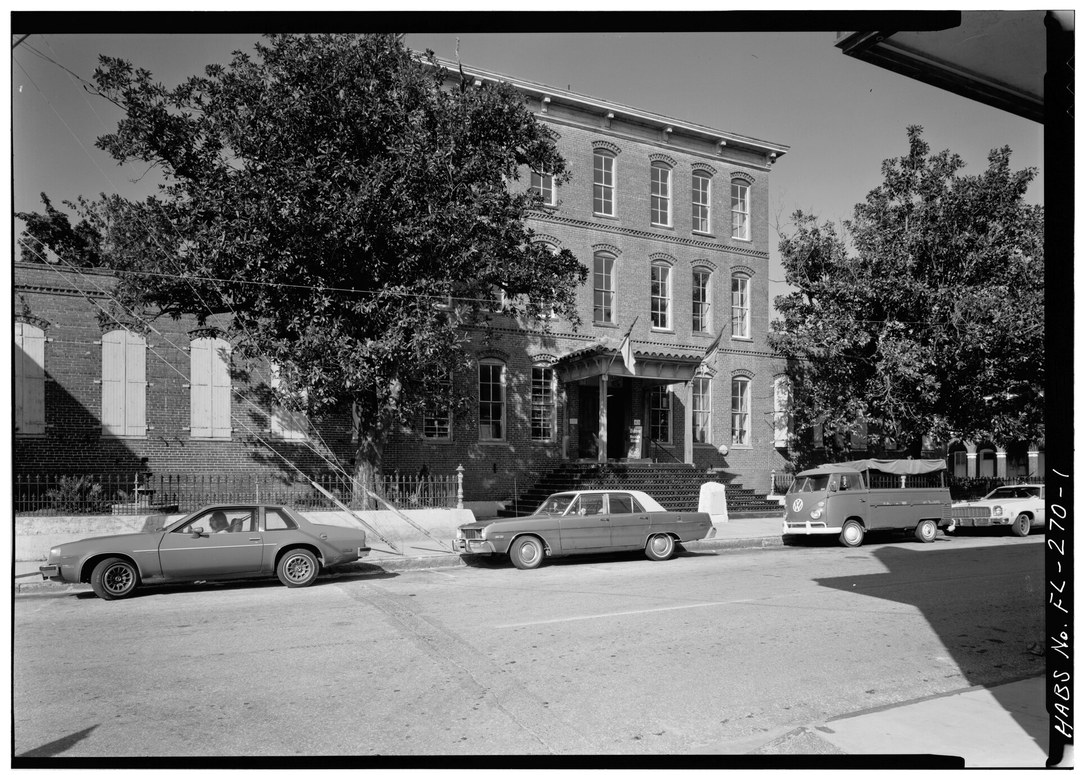
In the early 1880s, Tampa was a sleepy Gulf Coast village of fewer than 1,000 people. Then a cigar man showed up looking for land.
Vicente Martinez Ybor had already moved his cigar business once, from Cuba to Key West in 1869. Key West brought labor trouble and no room to grow, so he went shopping. In 1885, Tampa's Board of Trade helped him land 40 acres of sandy scrub northeast of town. The deal almost died. Board members reportedly caught Ybor at the train station, on his way to look at land somewhere else, and talked him back into it.
He built a company town from scratch: hundreds of small houses for the Cuban and Spanish cigar makers who followed him. In 1886, his three-story factory went up, the first brick cigar factory in Tampa, with room for about 600 hand-rollers.
Other manufacturers piled in. Tampa annexed Ybor City in 1887, and by 1900 it was the cigar capital of the United States. In 1893, Cuban patriot José Martí stood on the steps of Ybor's factory and rallied the workers for Cuban independence. The original cast-iron porch where he spoke was later shipped to Cuba.
The peak came in 1929, with 500 million cigars rolled in a single year. Then the Depression, cheap cigarettes and rolling machines took it apart.
One old factory still rolls cigars. El Reloj, built in 1910, is the last traditional cigar factory still working in the United States.
Sources & image credits
- Wikipedia: Ybor City (Tampa under 1,000 people in early 1880s; Ybor moved Cuba to Key West 1869; 1885 Board of Trade 40 acres, train-station rescue of the deal; hundreds of worker houses; annexed 1887; 'Cigar City'; peak 1929, 500 million cigars; Depression, cigarettes, mechanization)
- Library of Congress / HABS FL-270: Ybor Cigar Factory (first brick cigar factory in Tampa, 1886; cigar capital of the U.S. by 1900; Marti rallied support from the steps; steps removed to Cuba)
- SAH Archipedia: Ybor Factory Building (built 1886; about 600 hand-rollers plus readers; Marti's 1893 speech on the stairs and porch; original cast-iron porch removed and sent to Cuba)
- J.C. Newman Cigar Co.: Visit El Reloj (1910 factory; last traditional cigar factory still operating in the United States)
- Smithsonian Magazine: The Last Cigar Factory in Tampa (Regensburg/El Reloj opened 1910; J.C. Newman bought it in 1953)
Image attribution, source, license and modifications are shown in the caption above.
Facts checked November 18, 2026 at 8:17 AM MST.