Cigars / Wrappers · November 13, 2026 · RMCC 0183
What 'Maduro' Really Means: How Long, Hot Fermentation Makes a Dark Cigar Wrapper
Maduro is Spanish for ripe. On a cigar, it means the wrapper leaf went through a longer, hotter fermentation that turns starches to sugars and the leaf nearly black. Here's how it's made.
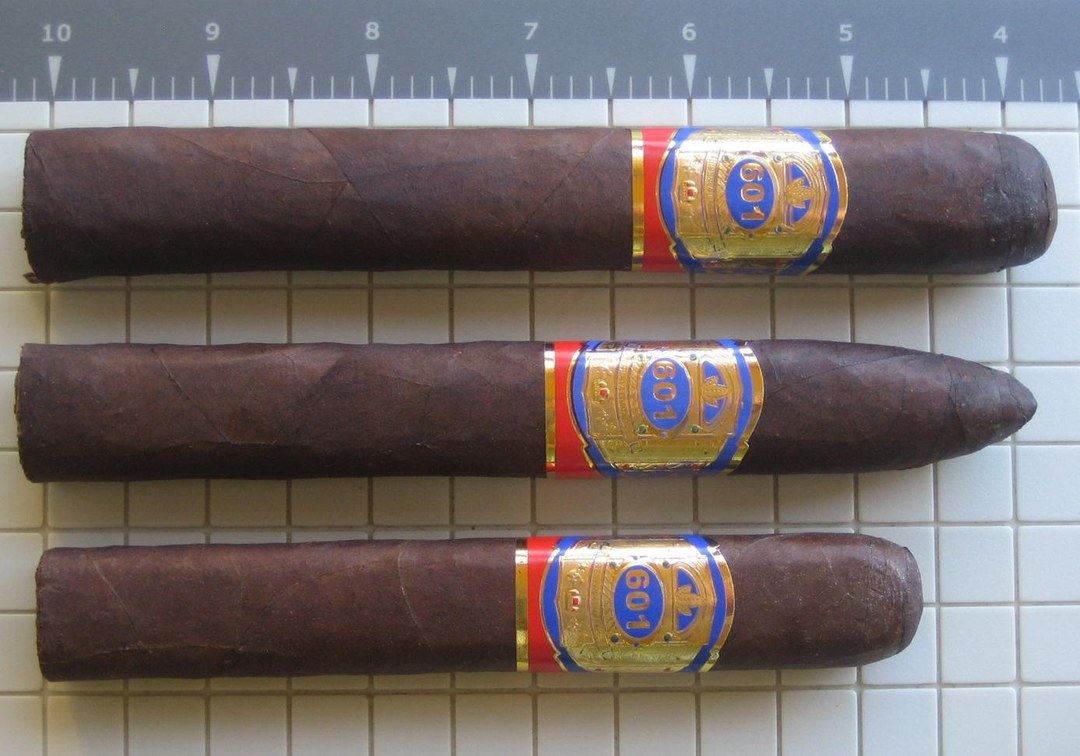
Maduro is Spanish for "ripe." On a cigar, it tells you how the wrapper leaf was made, not just what color it is.
All cigar tobacco is fermented after it's cured. A true maduro wrapper gets a longer, hotter fermentation.
Here's how it works:
- Cured leaves are moistened and stacked into big piles called pilons or bulks.
- The weight and moisture build heat inside the pile. Ammonia and water sweat out of the leaf.
- When the pile gets hot enough, workers break it down, rotate the leaves top to bottom and rebuild it. Then they do it again. And again.
- Over time, starches turn into sugars. The leaf goes from dark brown to nearly black and picks up that oily sheen.
That's where maduro's sweeter, richer flavor comes from.
Not every leaf can take that much heat. Makers lean on thick, hearty tobacco that holds up to it. The two classics are Connecticut Broadleaf and San Andrés from Mexico.
A word of caution: during the 1990s cigar boom, some makers took shortcuts. They "cooked" leaves with steam or even dyed them dark. Reputable makers say a true maduro gets its color from time and fermentation, not a paintbrush. The blackest cigar in the humidor isn't automatically the best one.
All that extra time and labor is also why a maduro often costs a little more than the natural-wrapper version of the same cigar.
Maduro or natural? Tell us your go-to and what you pair it with.
Sources & image credits
- Tobacconist University: Curing & Fermentation (maduro = ripe; longer and/or hotter fermentation; sweeter flavor; usually costs more; artificial coloring)
- Holt's: What is a Maduro Wrapper? (Connecticut Broadleaf and San Andres; starches to sugars; dark, oily)
- Holt's: Sun Grown vs. Maduro (bulks, ammonia, heat, rebuilt piles; 1990s cooking and painting/dye)
- Cigar Studio: Tobacco School Part 3(b) (pilons/burros, rotation repeated, hearty broadleaf and San Andres)
Image attribution, source, license and modifications are shown in the caption above.
Facts checked November 13, 2026 at 8:14 AM MST.