Cigars / Tobacco · November 19, 2026 · RMCC 0245
Vuelta Abajo: Why Cuba's Westernmost Tobacco Zone Grows the World's Most Famous Cigar Leaf
The Vuelta Abajo, in Cuba's Pinar del Río province, is the only Cuban tobacco zone that grows wrapper, binder and filler. Here's what makes the region, and towns like San Luis and San Juan y Martínez, so famous.
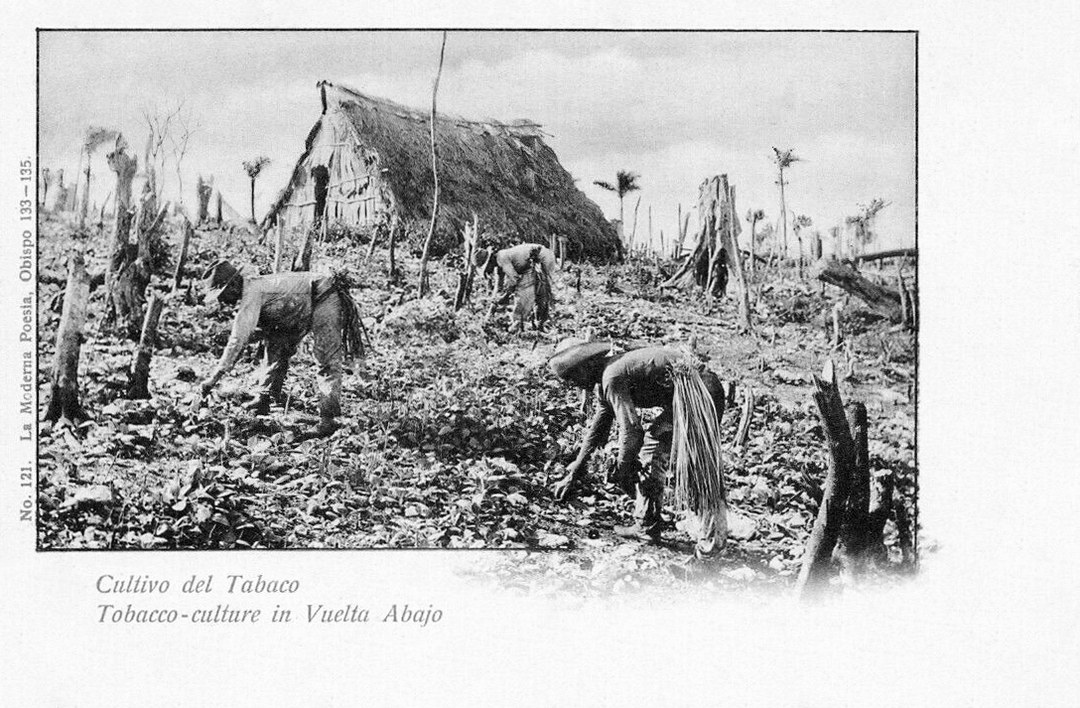
Ask cigar people where the best tobacco on earth grows, and plenty of them will give you the same two words: Vuelta Abajo.
It's in Pinar del Río province, at the far western end of Cuba, with the Sierra de los Órganos mountains to the north. The district runs about 90 miles long and 10 miles wide, and its tobacco industry dates back to around 1830.
Cuba has several tobacco regions, but the Vuelta Abajo is the only zone that grows all three kinds of leaf: wrapper, binder and filler. Every filler and binder leaf in a long-filler Habano comes from here. Even so, less than a quarter of its tobacco land is rated vegas de primera, the first-class fields allowed to grow leaf for Habanos.
Two small towns carry the most weight. San Luis is known for wrapper and is home to the famous El Corojo farm. San Juan y Martínez is known for filler and binder, and the Hoyo de Monterrey plantation is there. Leaf for Cohiba is picked from the best farms in those two districts.
Wrapper grows under huge cheesecloth tents called tapados, which soften the sun so the leaves grow bigger and finer. Filler and binder leaves grow out in full sun.
The names are protected too. Pinar del Río, Vuelta Abajo, San Luis and San Juan y Martínez are all Protected Denominations of Origin, the same idea as Champagne or Cognac.
Sources & image credits
- Habanos S.A.: Tobacco paradise (Vuelta Abajo the only zone growing wrapper, filler and binder; all long-filler filler and binder from Vuelta Abajo; under a quarter of land is Vegas de Primera; San Luis wrapper, El Corojo; San Juan y Martínez filler and binder, Hoyo de Monterrey; Cohiba leaf from those two districts; Protected Denominations of Origin)
- Wikipedia: Vuelta Abajo (Pinar del Río province, extreme west of Cuba, Sierra de los Órganos to the north; tobacco industry from around 1830; 90 miles long and 10 miles wide)
- Cigar Aficionado: On the Road to Tobacco Country (wrapper grown under cheesecloth tapados; sun-grown filler and binder; San Luis and San Juan y Martínez)
Image attribution, source, license and modifications are shown in the caption above.
Facts checked November 19, 2026 at 8:17 AM MST.