
Cigars / Brands · November 23, 2026 · RMCC 0290
A German Banker, a Cedar Box and a Wartime Spy Ring: The History of H. Upmann Cigars
H. Upmann began in 1844 when a German banker in Havana bought a cigar factory. The brand survived a World War I spy scandal, a bank collapse and the Cuban Revolution. Here's the story.
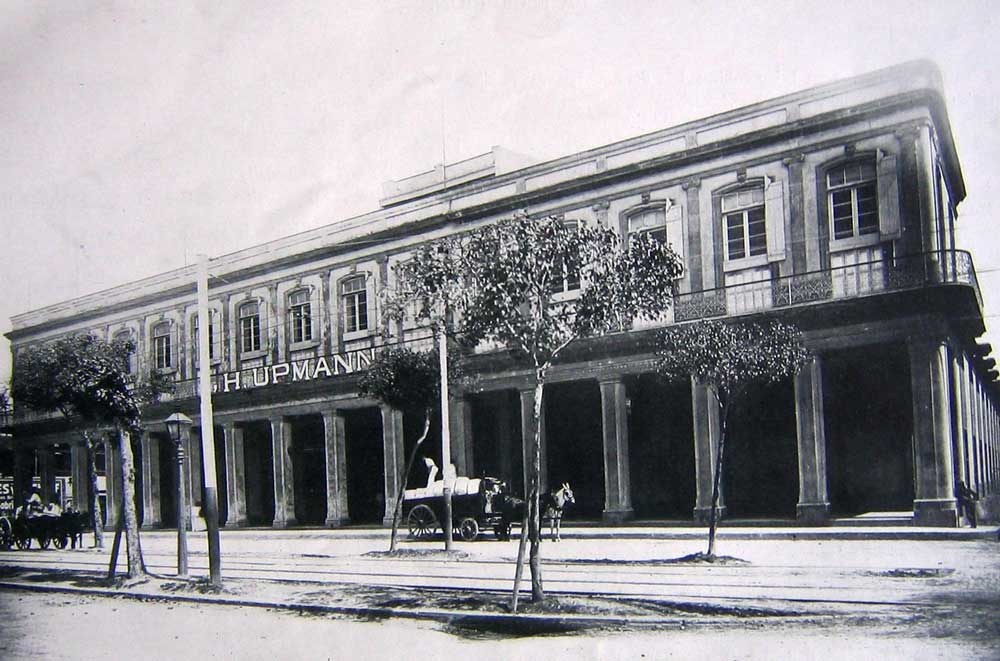
This cigar brand was started by a banker. Then things got strange.
In 1843, Hermann Dietrich Upmann arrived in Havana from Germany on business for a Bremen trading firm. He saw an opportunity, bought a local cigar factory, and in 1844 started making cigars under his own name. He opened a bank, too.
Upmann is sometimes credited with packing cigars in cedar boxes. The brand piled up gold medals at exhibitions in the 1800s, and seven of them are still printed on H. Upmann boxes.
Here's where it gets wild. During World War I, Upmann's nephews Hermann and Albert used the family businesses to run a German intelligence network. In 1917 the company landed on the very first U.S. Enemy Trading List, and the Cuban government shut the bank. In 1922 the brothers were arrested on bank fraud charges, later dropped, and both the bank and the cigar company were bankrupt.
The brand survived. A British agent, J. Frankau & Co., bought it at auction. In 1937 it went to Menéndez, García y Cía, the company behind Montecristo, which ran it until Cuba nationalized the tobacco industry in 1960.
The brand lives on as two H. Upmanns: Cuban cigars rolled in Havana at the original Upmann factory, since renamed José Martí, and a non-Cuban line made in the Dominican Republic.
Ever had one? Cuban or Dominican? Tell us on Facebook.
Sources & image credits
- Wikipedia: H. Upmann (Hermann Dietrich Upmann arrived in Havana 1843 for Gravenhorst & Co. of Bremen; bought a cigar factory, H. Upmann cigars from 1844; bank; sometimes credited with cedar cigar boxes; seven gold medals on boxes; WWI German intelligence network run by nephews Hermann and Albert; first U.S. Enemy Trading List Dec. 5, 1917; bank closed by Cuba; arrests for bank fraud May 1, 1922, charges later dropped; bankruptcy 1922; J. Frankau & Co. bought brand at auction; 1937 Menéndez, García y Cía; nationalization Sept. 15, 1960; Dominican production; Cuban production at the original factory renamed José Martí)
- Wikimedia Commons: H. Upmann factory 'La Madama' on Avenida Carlos III, 1910 (image description)

Image attribution, source, license and modifications are shown in the caption above.
Facts checked November 23, 2026 at 1:14 PM MST.