
Cars · Red Meat & Cigar Club editorial
American Muscle: A Short History
Big V8s in mid-size bodies.
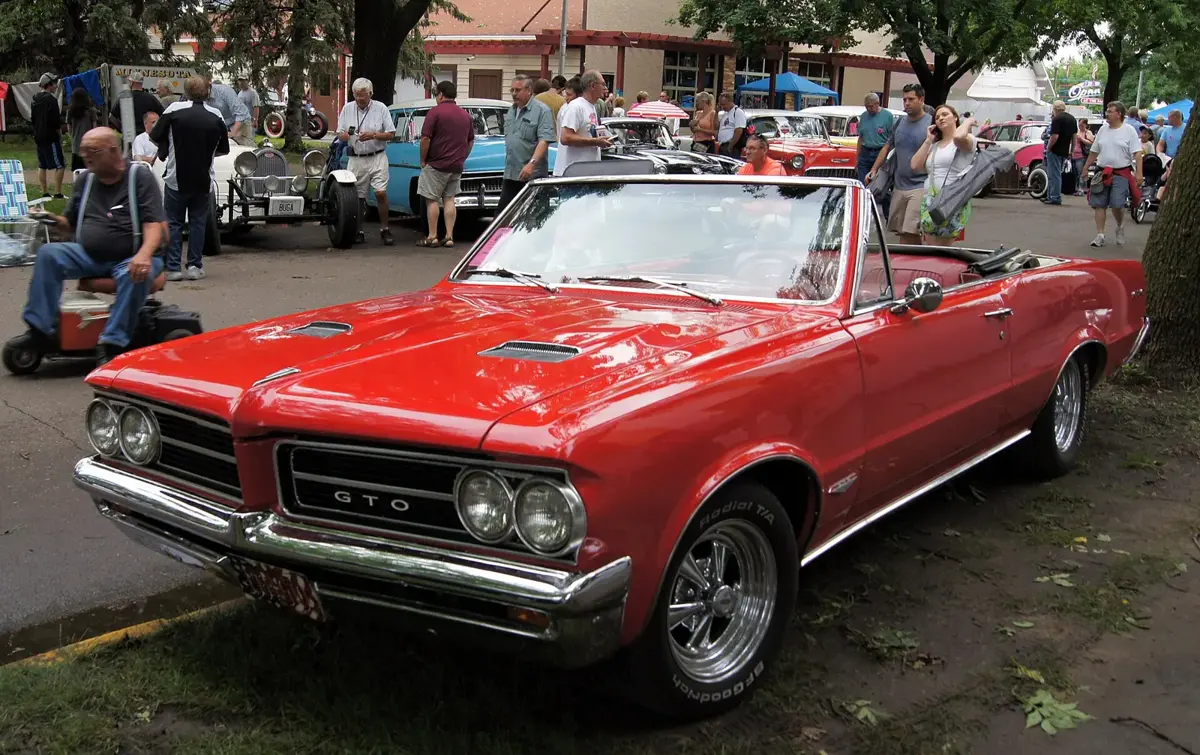
The muscle car is one of America's great industrial art forms: take a mid-size family car, drop in the biggest V8 the factory builds, add a few stripes, and sell it to young buyers at a price they can afford. For roughly a decade starting in the mid-1960s, Detroit did exactly that, and the cars of that era remain some of the most collected vehicles in the country.
Before the boom
Big engines in American cars weren't new in the 1960s. The 1949 Oldsmobile Rocket 88, with its overhead-valve V8, is often cited as an early performance car. The Chrysler 300 "letter cars" of the 1950s and the horsepower wars between Chevrolet, Ford, and Chrysler set the stage. What changed in the 1960s was the formula and the market — a huge wave of young postwar buyers looking for speed on a budget.
1964: the Pontiac GTO
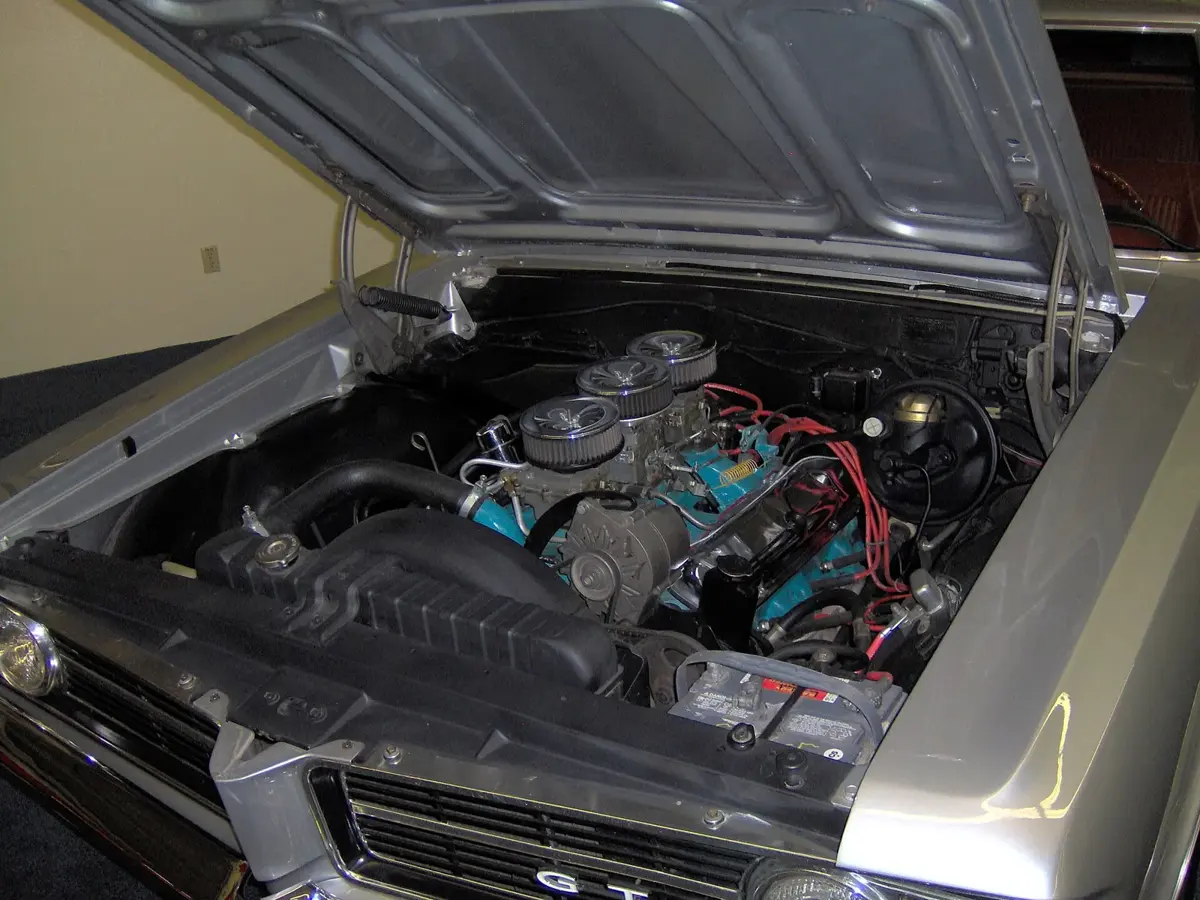
The car most often credited with starting the muscle car era is the 1964 Pontiac GTO. A team at Pontiac including John DeLorean, engineer Russ Gee, and ad man Jim Wangers packaged the 389-cubic-inch V8 from Pontiac's full-size cars into the mid-size Tempest/LeMans as an option package. General Motors had a policy limiting engine size in its intermediate cars, and the GTO was a way around it. Pontiac planned modestly, but the GTO sold over 32,000 units in its first year. The name borrowed from Ferrari's "Gran Turismo Omologato."
The competitors arrive
Everyone followed. Some of the most famous:
- Chevrolet Chevelle SS: especially the 396 and, in 1970, the LS6 454, among the most powerful engines of the era.
- Oldsmobile 442: named originally for its four-barrel carburetor, four-speed manual, and dual exhausts.
- Buick Gran Sport and GSX.
- Dodge Charger and Coronet R/T, Plymouth GTX and Road Runner: Chrysler's B-body cars, available with the 440 and the legendary 426 Hemi. The 1968 Road Runner was a stripped-down budget bruiser, and Plymouth paid Warner Bros. to use the cartoon character and "beep-beep" horn.
- Ford Torino and Fairlane, Mercury Cyclone: including Ford's 428 Cobra Jet.
Pony cars
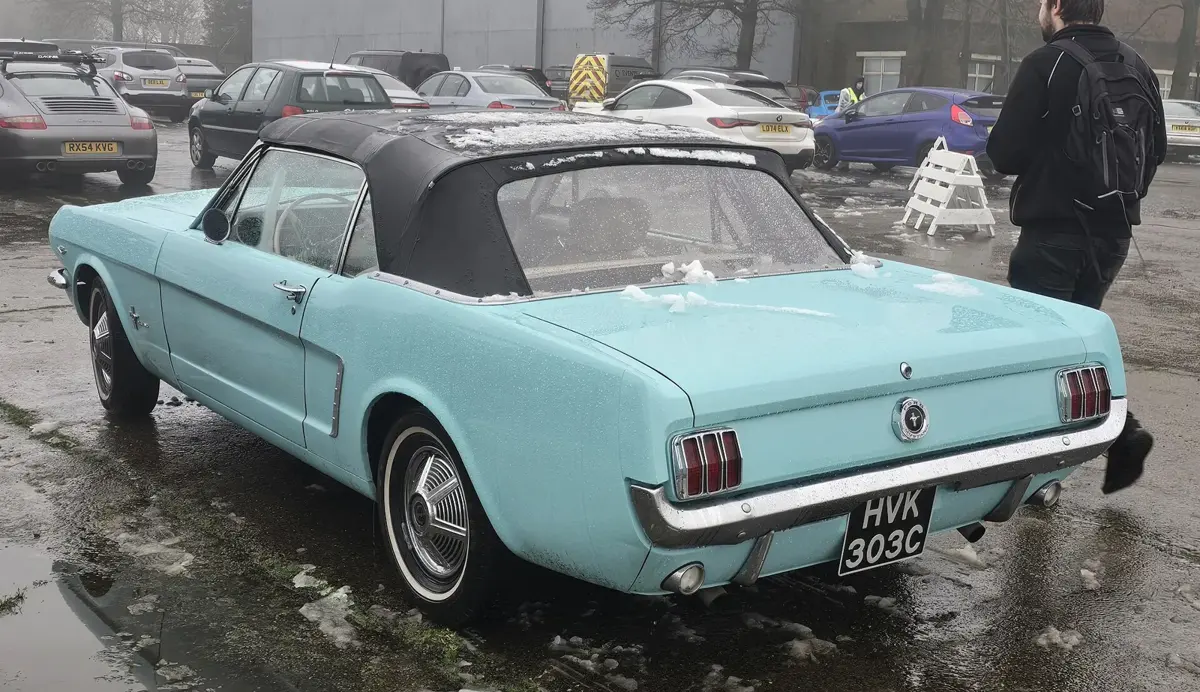
A related segment grew alongside: the pony car, named after the Ford Mustang, which launched in April 1964. Pony cars were smaller, sportier, and built on compact platforms with long hoods and short rear decks. The Chevrolet Camaro and Pontiac Firebird (1967), Plymouth Barracuda, Dodge Challenger (1970), and AMC Javelin followed. With big engine options — Boss 429 Mustangs, Z/28 Camaros, Hemi 'Cudas — pony cars often blurred into muscle cars. See our 1965 Mustang entry.
The peak and the fall
1970 is widely considered the high point, with engines like the Chevrolet LS6 454, Chrysler's 426 Hemi and 440 Six Pack, and Ford's 429 Super Cobra Jet. Then several forces arrived at once. Insurance companies began surcharging high-performance cars heavily. The Clean Air Act of 1970 drove emissions rules that, together with a shift to unleaded fuel, pushed manufacturers to lower compression ratios. In 1972, the industry switched from gross to net horsepower ratings, which made published numbers drop sharply overnight. The 1973 oil crisis finished off the era. By the mid-1970s, most "muscle" badges were appearance packages.
The comeback
Performance returned gradually through the 1980s with the fuel-injected Mustang 5.0 and Buick Grand National. The real revival came with retro-styled pony cars: the 2005 Mustang, the 2008 Dodge Challenger, and the 2010 Camaro. Modern versions — Hellcat Challengers and Chargers, Shelby GT500 Mustangs, ZL1 Camaros — have produced horsepower figures that would have been unthinkable in 1970, with better brakes, handling, and reliability. The automotive industry's shift toward electrification has since changed the landscape again, with some nameplates discontinued or reimagined.
Collecting today
Original high-performance muscle cars with documented history, especially rare engine combinations, can be very valuable. Documentation — build sheets, window stickers, and matching numbers — matters enormously, and so does verifying that a car is what it claims to be, because clones and tributes are common. See our guide to buying your first classic.
Garage gear (placeholder)
Placeholder — not live affiliate links
- [Battery maintainer — placeholder]
- [Detailing kit — placeholder]
- [Classic car insurance quote — placeholder]
Affiliate disclosure: Red Meat & Cigar Club may earn a commission from some links on this site at no extra cost to you. Learn more.