
Watches · Red Meat & Cigar Club editorial
Buying Your First Luxury Watch
Set a budget and buy what you'll wear.
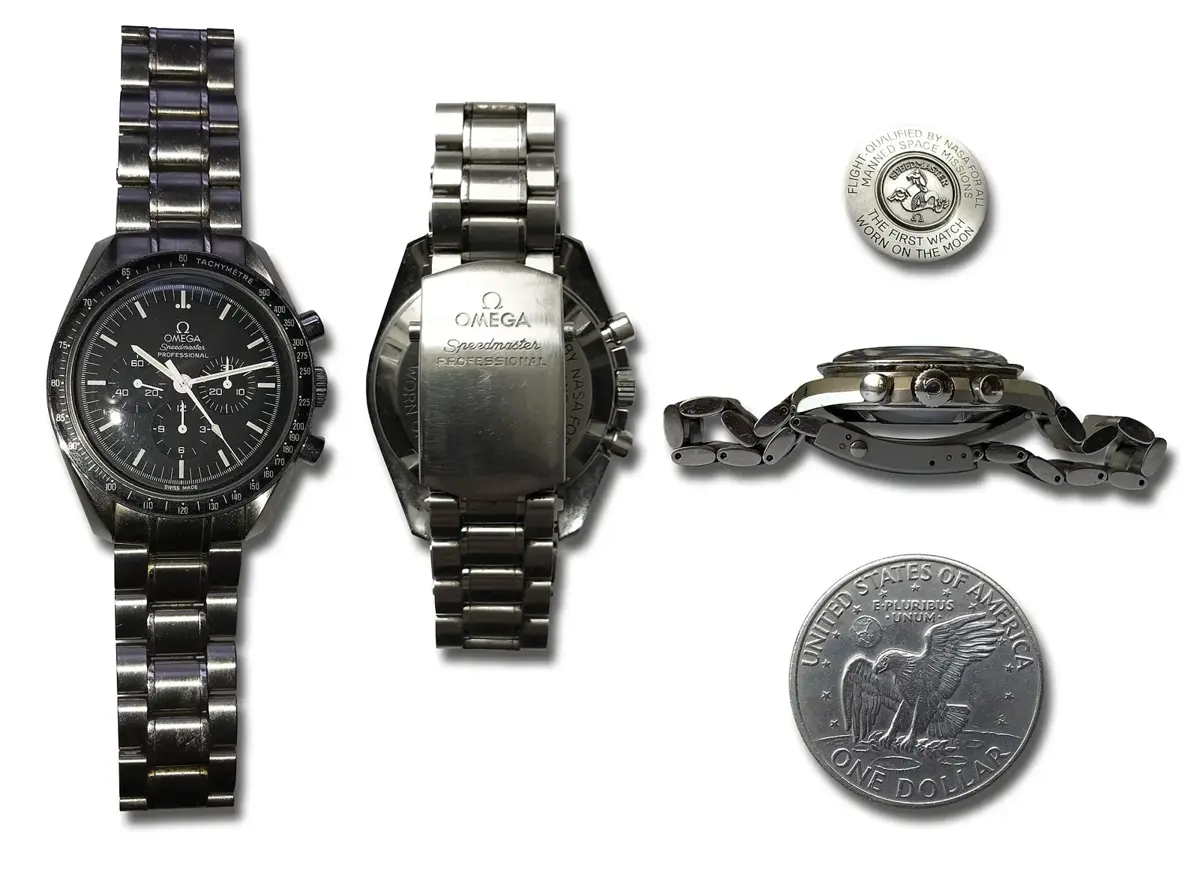
A good mechanical watch is one of the few things a man can buy that might outlast him. It's also easy to overspend, buy the wrong thing, or get burned in a market full of fakes. Here's how to approach your first serious watch.
Start with how you'll wear it
The best first luxury watch is one you'll actually wear. Ask yourself:
- Daily wear? A versatile sports watch on a steel bracelet — a dive watch or a simple steel "everyday" watch — handles the office, weekends, and travel.
- Dress? A slim watch on a leather strap that slides under a cuff.
- Active use? Water resistance, a sturdy case, and good legibility.
- Travel? A GMT function shows a second time zone.
Most people are happiest with a first watch that does many things well.
Movements: automatic, manual, quartz
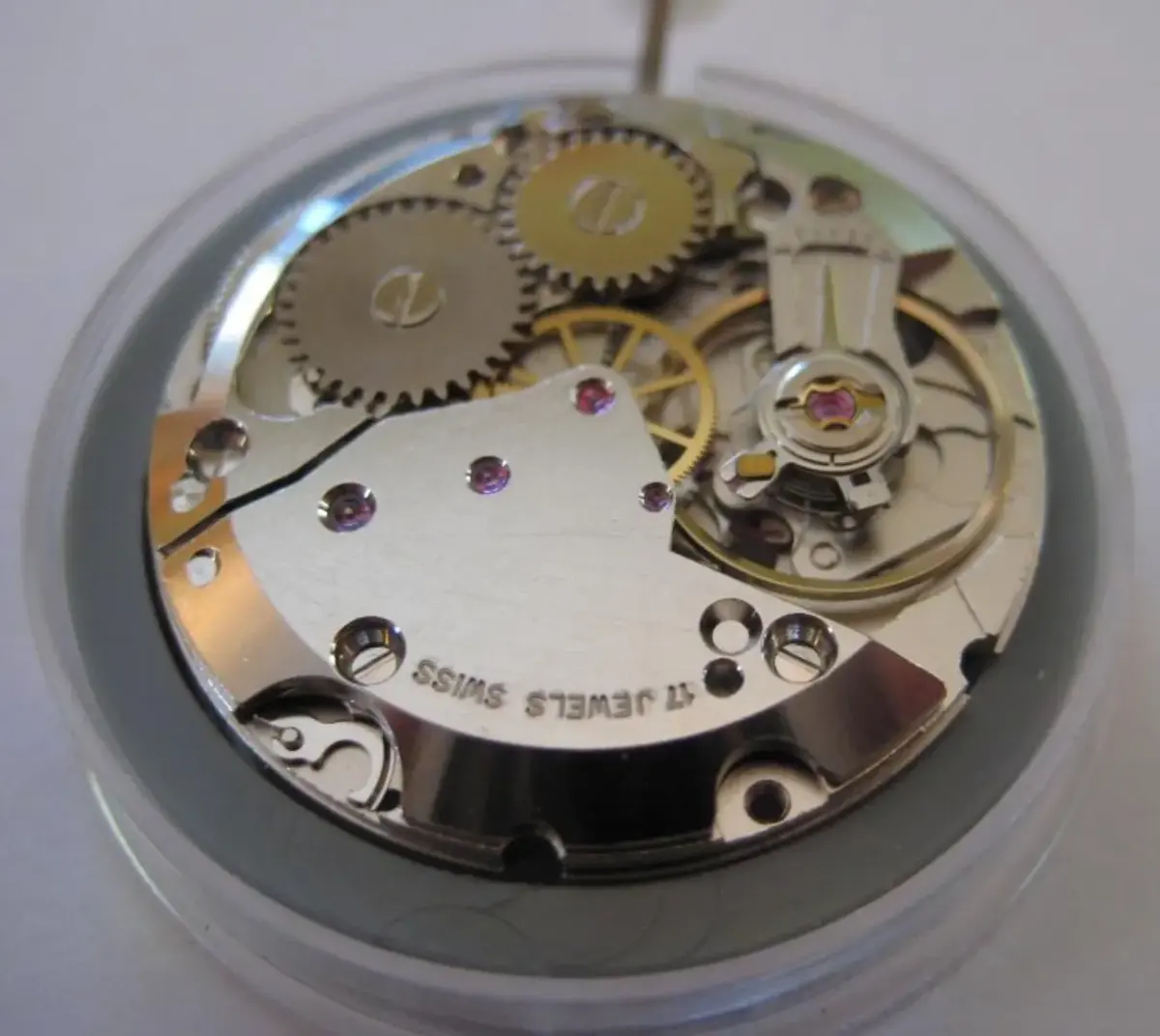
Automatic (self-winding): a mechanical movement with a rotor that winds the mainspring as you move. Most popular for luxury watches. Will stop if unworn for a day or two, depending on power reserve.
Manual-wind: a mechanical movement you wind by hand through the crown. Often thinner; some collectors love the daily ritual. The Omega Speedmaster Professional is a famous manual-wind watch.
Quartz: battery-powered with a quartz crystal oscillator. Far more accurate than mechanical watches and lower maintenance. Some luxury brands make excellent quartz watches.
Mechanical watches are about craftsmanship and tradition, not accuracy. A good mechanical watch may gain or lose several seconds a day; certified chronometers meet stricter standards.
Size and fit
Case diameter is only part of the story. Lug-to-lug length (the distance from tip to tip of the lugs) determines whether a watch overhangs your wrist. Thickness matters for shirt cuffs. Try watches on in person whenever possible. Modern sports watches commonly run around 38 to 42 mm, but proportions vary.
Set a budget, including ownership costs
Decide on a budget before you shop. Remember that mechanical watches need periodic servicing — many manufacturers now recommend intervals in the range of 5 to 10 years — and a full service at a brand service center can cost hundreds of dollars or more. Factor in insurance for valuable pieces.
New vs. pre-owned
Authorized dealers (ADs) sell new watches with full manufacturer warranties. For some highly demanded models, availability at ADs has been limited.
Pre-owned and vintage can offer value and access to discontinued models. Buy from reputable dealers who authenticate watches, offer return periods, and provide their own warranties. Many manufacturers also run certified pre-owned programs.
Avoiding fakes and scams
- If the price looks too good to be true, it almost certainly is.
- Counterfeits have become very sophisticated; buy the seller as much as the watch.
- Ask for box, papers, service records, and serial numbers, and verify where possible.
- Have a qualified independent watchmaker inspect high-value purchases.
- Use payment methods with buyer protection.
Classic first-watch territory
Iconic models that come up again and again in first-watch conversations include the Omega Speedmaster Professional and Seamaster, the Rolex Submariner and Datejust, the Tudor Black Bay, Cartier's Tank and Santos, and Grand Seiko's range. More accessible routes include Seiko, Hamilton, Tissot, and Longines. See our reviews of the Speedmaster, Submariner, and Navitimer.
A word on "investment"
Some watches have appreciated dramatically, but most don't, and markets move. Buy a watch because you love it, not as a financial plan.
Watch gear (placeholder)
Placeholder — not live affiliate links
- [Watch roll / case — placeholder]
- [Watch winder — placeholder]
- [Authorized dealer / pre-owned retailer — placeholder]
Affiliate disclosure: Red Meat & Cigar Club may earn a commission from some links on this site at no extra cost to you. Learn more.