
Hypercar Reviews · Profile & review in progress
Ferrari LaFerrari
Ferrari's V12 hybrid flagship of the 2010s.
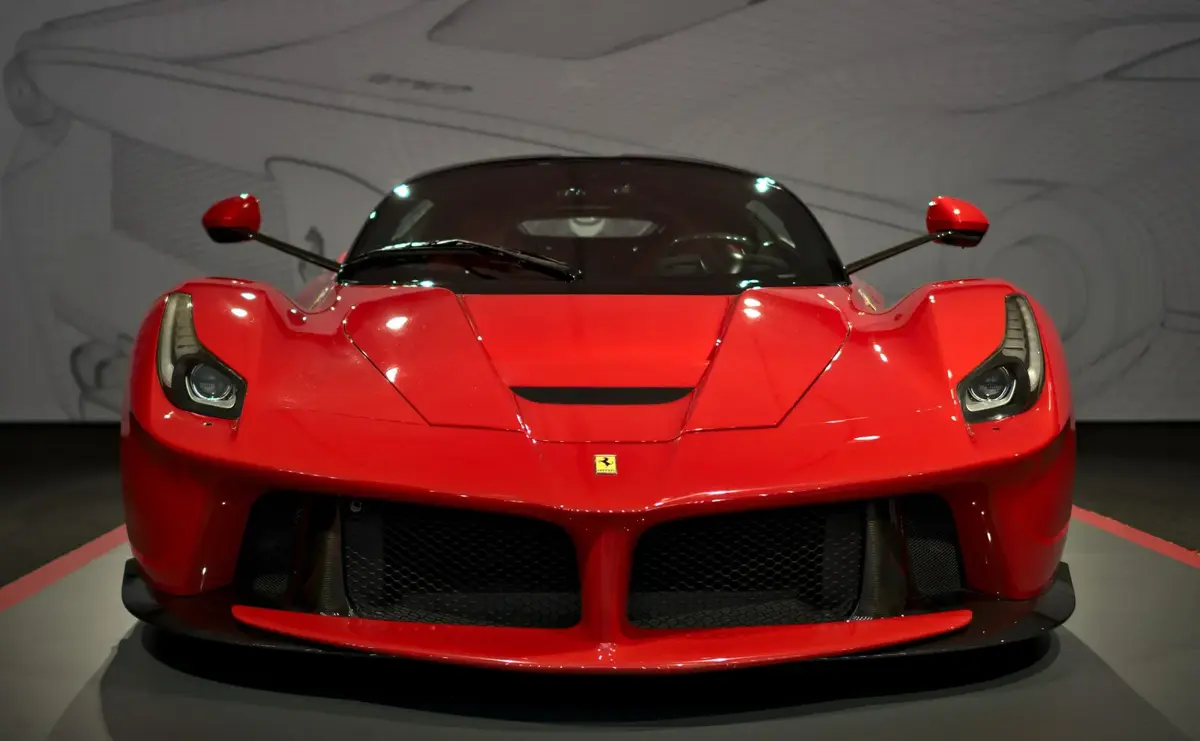
The Ferrari LaFerrari — literally "The Ferrari" — was Maranello's flagship of the 2010s and the company's first hybrid road car. Paired with a naturally aspirated V12, it's the Ferrari entry in hypercar's "holy trinity." Here's the background ahead of our review.
A line of flagships
Ferrari has periodically built limited-production flagships that showcase its best technology: the 288 GTO (1984), F40 (1987), F50 (1995), and Enzo (2002). The LaFerrari continued that line when it was unveiled at the 2013 Geneva Motor Show. Its successor, the F80, was unveiled in 2024.
Powertrain
- Engine: a 6.3-liter naturally aspirated V12 producing 800 CV, revving to 9,250 rpm, per Ferrari.
- HY-KERS hybrid system: derived from Formula 1 energy-recovery technology, with an electric motor adding 163 CV.
- Combined output: 963 CV (about 950 hp) and more than 900 Nm of torque.
- Transmission: seven-speed dual-clutch, rear-wheel drive.
Unlike some rivals, the LaFerrari doesn't offer an electric-only driving mode; its hybrid system is focused on performance.
Performance and engineering
- Acceleration: Ferrari quoted 0–100 km/h in under 3 seconds and 0–200 km/h in under 7 seconds.
- Top speed: over 350 km/h (217 mph).
- Chassis: carbon-fiber monocoque, developed with expertise from Ferrari's F1 team.
- Driving position: the seat is fixed to the chassis; the pedals and steering wheel adjust to fit the driver.
- Aerodynamics: active aerodynamic elements front and rear adjust to balance downforce and drag.
Production
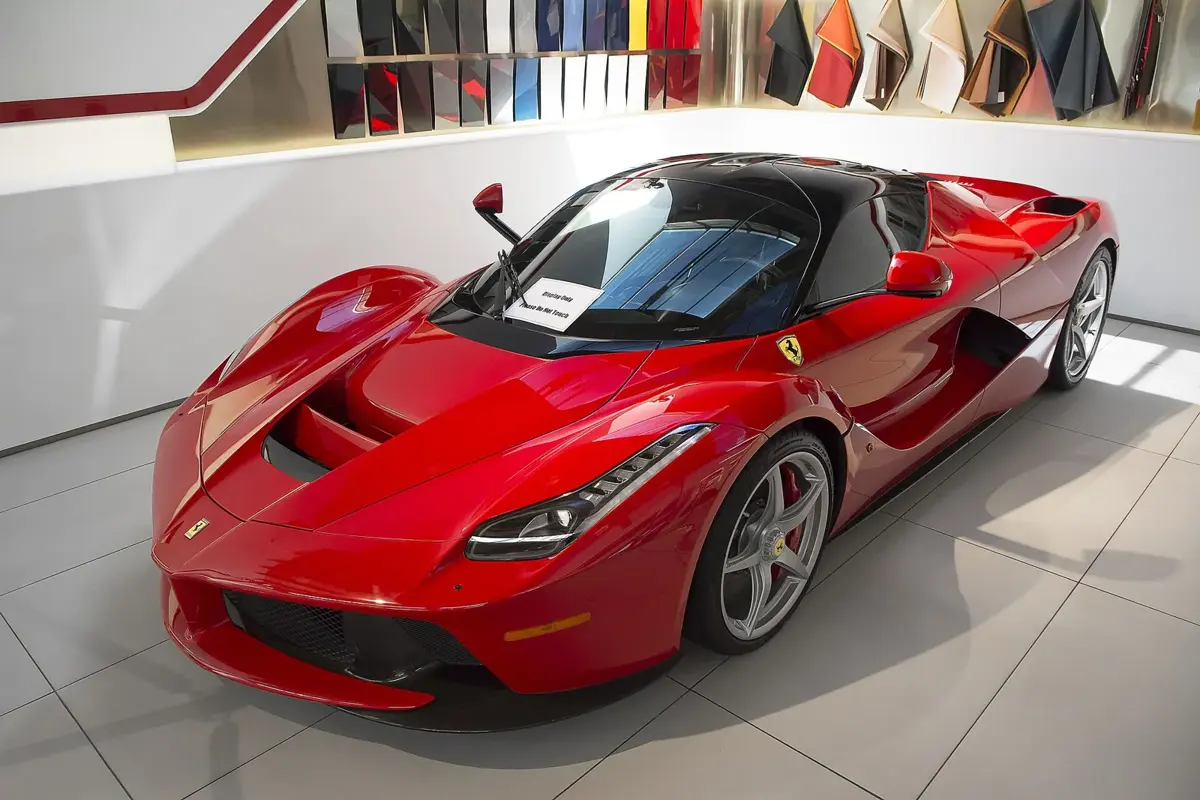
Ferrari built 499 LaFerrari coupes, plus an additional car built to raise funds for earthquake relief in Italy, which sold at auction in 2016. The open-top LaFerrari Aperta followed in 2016, with production of 210 cars, per Ferrari. Buyers were reportedly selected by Ferrari, typically among its established clients.
Track version
The FXX K was a track-only development car based on the LaFerrari, part of Ferrari's Corse Clienti program, in which owners drive at track events with Ferrari support. A further-developed FXX K Evo followed.
What we'll evaluate
- Performance: acceleration, braking, and handling.
- Engineering: V12 and hybrid integration, aero, chassis.
- Design: exterior, interior, materials.
- Rarity: production numbers and market.
Ownership notes
Ferrari offers factory programs for maintaining its special models, and the company's Classiche department certifies older Ferraris. Market values depend on specification, history, and mileage.
Status
No ratings have been assigned. This is a profile until the hosts have meaningful time with the car.
Design
The LaFerrari was designed in-house at Ferrari's Centro Stile under Flavio Manzoni, breaking from the company's long tradition of Pininfarina designs for its flagships. Its shape was driven heavily by aerodynamics and cooling, with a low nose, dramatic side intakes, and active flaps. Inside, the cockpit is spare and focused, with a Formula 1-style steering wheel holding many controls.
The trinity comparison
Among the P1, 918, and LaFerrari, the Ferrari had the highest peak output and the only naturally aspirated engine. That V12 is one reason many enthusiasts consider it the most emotional of the three. Its successor, the F80, moved to a twin-turbo V6 hybrid.
Ratings
Ratings are editorial opinions and will be added once the hosts have spent time with this car. No scores have been assigned yet.
The verdict
Coming soon.
Where to find it (placeholder)
Placeholder — not live affiliate links
- [Retailer / dealer placeholder]
Affiliate disclosure: Red Meat & Cigar Club may earn a commission from some links on this site at no extra cost to you. Learn more.