
Fine Pens · Red Meat & Cigar Club editorial
Caring for a Fountain Pen
Flush, cap, and store it right.
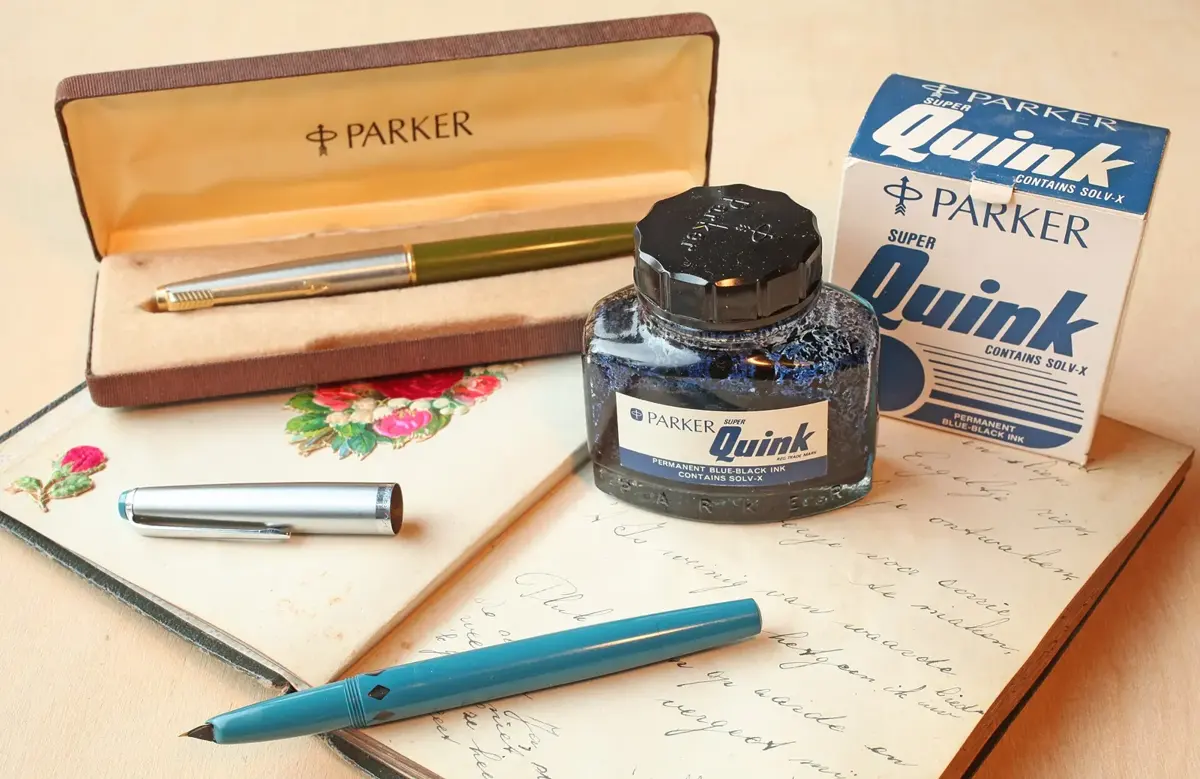
A fountain pen is a simple machine, and like any machine, it lasts longer with a bit of care. A few habits will keep ink flowing and protect your pen for decades.
Flush regularly
Ink can dry inside the feed and nib, leading to hard starts, skipping, and clogging. Flush your pen:
- Every time you change inks, especially between brands or colors.
- Every few weeks with the same ink, or more often with shimmer, pigmented, or iron gall inks.
- Before storing a pen for any length of time.
How: use cool or lukewarm water — never hot, which can warp plastic or damage some materials. For cartridge and converter pens, remove the cartridge and flush the nib section with a converter or a bulb syringe until water runs clear. For piston fillers, repeatedly draw water in and expel it. A drop of dish soap in water, or a commercial pen flush, helps with stubborn ink. Rinse with plain water and let the nib section dry nib-down on a paper towel.
Cap it
Ink dries quickly at the nib. Cap your pen when you're not writing, even for a few minutes. Most fountain pens have inner caps designed to seal against air.
Storage and carrying
- Carry it nib up in a shirt pocket or pen case.
- Store long-term empty and clean. Dried ink in a pen stored for months is the leading cause of clogged feeds.
- Avoid heat and direct sun, such as a car dashboard. Heat expands air in the pen and can push ink out, and it can damage materials.
- When flying, keep pens either full or empty and nib up. Cabin pressure changes can make half-full pens leak.
Handle the nib with respect
Nibs are precision instruments. Drops onto the nib can bend tines. Avoid writing with heavy pressure. And think twice before lending a favorite pen — a nib slowly adapts to its writer's angle and pressure, and a borrower with a heavy hand can change it.
Troubleshooting
- Hard starts or skipping: flush the pen. If it persists, the tines may be misaligned or the tipping may need smoothing; a nib specialist can help.
- Too dry or too wet: try a different ink before adjusting the nib. Some inks flow more freely than others.
- Leaking: check for cracks in the section or cap, a loose nib unit, or overfilling. Make sure the cartridge or converter is seated firmly.
- Scratchy writing: could be tine misalignment or rough tipping. Professional nib work is affordable and worth it for a good pen.
Piston fillers
Piston mechanisms benefit from occasional lubrication with pure silicone grease, applied sparingly. Some pens, such as the Pelikan M800 with its threaded piston assembly, are designed to be disassembled by the owner; others are not, and forcing them can cause damage. Check the manufacturer's guidance before taking a pen apart.
Materials
- Resin and acrylic: wipe clean; avoid alcohol and harsh solvents.
- Celluloid (vintage): sensitive to heat and chemicals, and old celluloid can deteriorate if stored sealed.
- Hard rubber (ebonite): can discolor with sunlight and water exposure.
- Metal: plated finishes wear with polishing; use a soft cloth.
Servicing
High-end pens can be serviced by manufacturers or independent pen repair specialists. Vintage pens often need new sacs, seals, or cork piston seals after decades. A well-restored vintage pen can write as well as the day it was made.
Pen gear (placeholder)
Placeholder — not live affiliate links
- [Pen retailer — placeholder]
- [Bottled ink — placeholder]
- [Leather pen case — placeholder]
Affiliate disclosure: Red Meat & Cigar Club may earn a commission from some links on this site at no extra cost to you. Learn more.