Guns: American Classics · Red Meat & Cigar Club editorial
The American Hunting Tradition
Conservation, getting started legally, and field ethics.
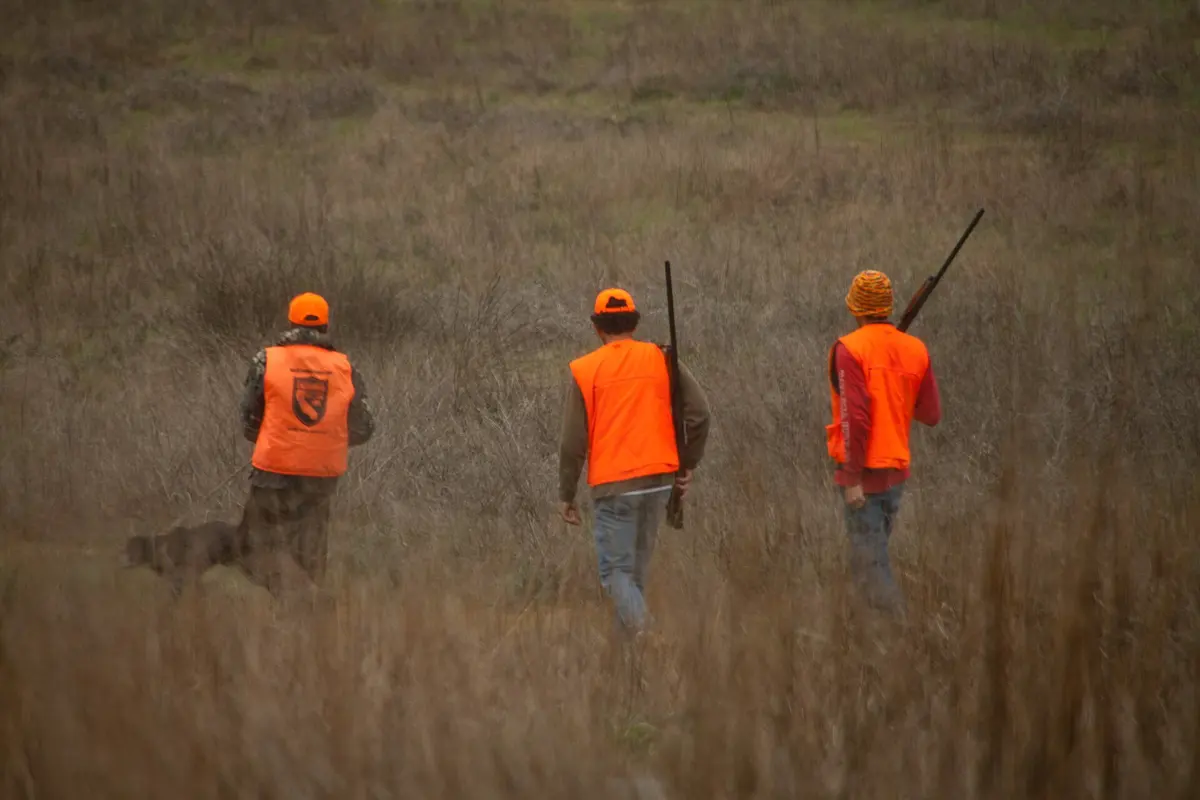
Hunting is one of America's oldest traditions. It's how families have put meat on the table for generations, how a lot of fathers and sons and daughters spend their best weekends together, and it pays for a big share of the country's wildlife conservation. For a club built around red meat, that connection between the field and the grill matters.
Hunters and conservation
In the early twentieth century, market hunting and habitat loss had pushed many species — wild turkey, white-tailed deer in some regions, waterfowl — to very low numbers. Hunters and conservationists, including President Theodore Roosevelt, pushed for a new system. Out of that era came what is often called the North American Model of Wildlife Conservation: wildlife held in public trust, regulated seasons and bag limits, and science-based management.
Two federal laws still fund much of that work:
- The Migratory Bird Hunting Stamp Act of 1934 created the federal "Duck Stamp," which waterfowl hunters 16 and older must buy. The U.S. Fish and Wildlife Service says the large majority of each stamp's price goes toward buying or leasing wetland habitat for the National Wildlife Refuge System.
- The Pittman–Robertson Federal Aid in Wildlife Restoration Act of 1937 placed an excise tax on firearms and ammunition (later extended to archery equipment), with the money distributed to state wildlife agencies for habitat, research and hunter education.
License fees go to state agencies as well. The result is that hunters and shooters are among the biggest funders of wildlife conservation in the country.
Getting started legally
- Take hunter education. Most states require a hunter education course for new hunters, often for anyone born after a certain date. Courses cover firearm safety, ethics, wildlife identification, and regulations. Many offer an online portion plus a field day.
- Buy the right license and tags. Licenses are issued by state wildlife agencies, and many big-game species require a specific tag, sometimes through a draw.
- Read the regulations. Seasons, legal hours, bag limits, legal methods, and blaze orange requirements all vary by state and species. Your state agency publishes them every year.
- Get permission. Know whose land you're on. Public land has its own rules, and private land requires the owner's permission.
- Find a mentor. Many states and groups run mentored or "first hunt" programs.
Ethics in the field
Ethical hunting comes down to respect: for the animal, the land, other hunters and the law. That means practicing until you can place shots reliably, knowing your effective range, passing on shots you're unsure of, recovering game, and wasting nothing. It also means fair chase — no unfair advantage over the animal — and leaving gates and land as you found them.
From field to fire
A hunting season ends at the grill. Venison backstrap seared hot and sliced thin, a pheasant roasted with bacon, duck breast cooked medium-rare — wild game is lean and full of flavor, and it rewards careful cooking. Handle meat cleanly in the field, cool it quickly, and know your state's rules for transporting game. Then fire up the grill; our Grill section has the techniques.
The upland and waterfowl tradition
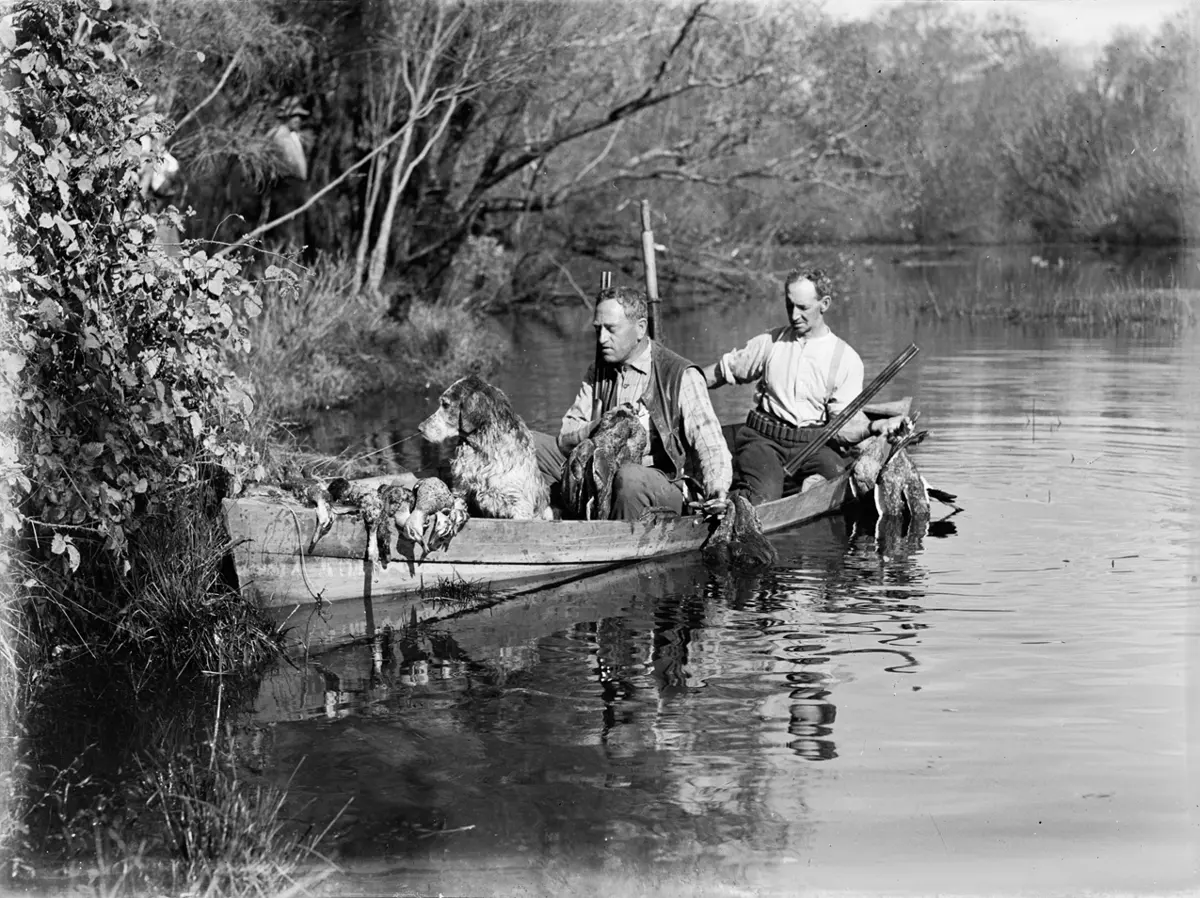
Bird hunting has its own classic gear and culture: pump and side-by-side shotguns like the Remington 870 Wingmaster, well-trained dogs, early mornings in a blind or long walks through fields. Waterfowl hunters are required to use nontoxic shot under federal rules, a policy adopted to protect waterfowl from lead poisoning.
Affiliate disclosure: Red Meat & Cigar Club may earn a commission from some links on this site at no extra cost to you. Learn more.