
Sports Betting · Red Meat & Cigar Club editorial
Why Lines Move
Injuries, weather, and money all push the number.
The number you see on Monday often isn't the number you see on Sunday. Spreads shift by half-points, totals climb or drop, moneylines tighten or widen. Understanding why lines move won't give anyone a guaranteed edge, but it will help you read the market like an informed fan instead of guessing.
Opening lines
Sportsbooks start with an opening line — their initial estimate of a fair price, built from power ratings, statistical models, and the experience of their traders. Opening numbers are often posted with lower limits, because the book knows they're least refined at that point. As information and money arrive, the line adjusts.
Reason 1: news
The biggest moves usually come from information. A starting quarterback ruled out can shift an NFL spread by several points. In the NBA, where a single star plays a large share of minutes, a late scratch can swing a line significantly. Baseball moneylines are built heavily around the starting pitcher, so a pitching change can reprice a game entirely. Suspensions, trades, and travel situations also matter.
Reason 2: weather
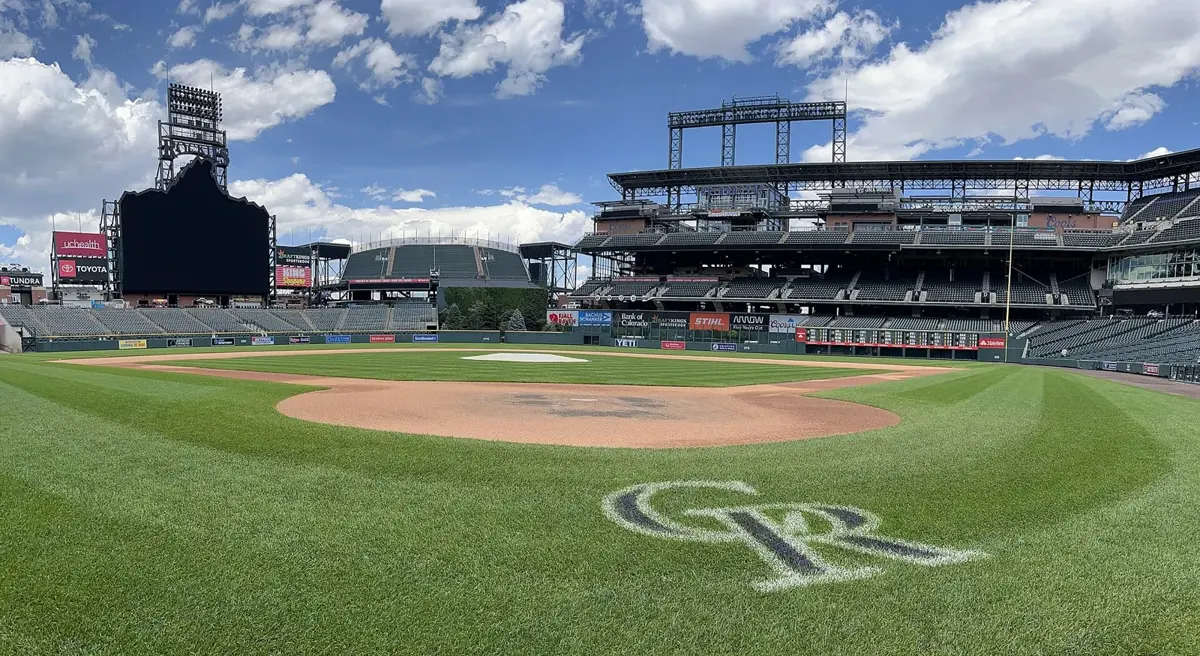
Outdoor sports react to conditions. Strong wind tends to hurt passing and kicking in football, and totals often fall when high winds are forecast. In baseball, wind direction and temperature affect how far the ball carries — something Rockies fans know well, since Coors Field's altitude (about 5,200 feet) is famous for helping fly balls travel. Rain and snow can matter too, though their effect is less predictable than many people assume.
Reason 3: where the money goes
Books adjust prices in response to the bets they take. If a large share of money lands on one side, a book may move the line to make the other side more attractive and manage its risk. Not all money is treated equally: books generally pay close attention to bettors they consider sharp, and a few respected wagers can move a number more than many small recreational ones. That's why you'll sometimes hear that "the public" is on one side while the line moves the other way.
Key numbers
In the NFL, final margins land on certain numbers far more often than others because of how scoring works — 3 (a field goal) and 7 (a touchdown with extra point) are the most common. Moving a spread from -2.5 to -3, or from -6.5 to -7, matters more than a half-point move elsewhere. Books often adjust the price (say, from -110 to -120) instead of moving off a key number.
Steam and reverse movement
"Steam" describes a quick, sharp move across many sportsbooks at once, often triggered by news or heavy action from respected bettors. "Reverse line movement" describes a line moving opposite to the side that seems most popular. Both terms are widely used in betting media. Neither one is a reliable signal on its own; by the time most people notice, the price has already changed.
Closing lines
The closing line — the final number before the game starts — reflects the most information the market will have. Many analysts consider it the most efficient price available, and some serious bettors measure themselves by whether they got a better number than the close ("closing line value"). For a recreational bettor, the practical lesson is simpler: the timing of a bet affects its price.
What this means for you
- If you're going to bet, check the current number at more than one licensed book in your state — see line shopping.
- Know the key numbers in the sport you follow.
- Follow injury reports and weather, but remember the market reacts fast.
- Don't chase a moved line just because it moved.
Line movement is one of the most interesting parts of following sports through the betting market — part economics, part news, part psychology. Enjoy it as a fan. Just remember it doesn't change the basic math: the house keeps a margin, and most bettors lose over time.
Affiliate disclosure: Red Meat & Cigar Club may earn a commission from some links on this site at no extra cost to you. Learn more.