
Betting 101 · Red Meat & Cigar Club editorial
Totals (Over/Under)
Bet on the combined score.
Example numbers — made up for illustration, not real lines
Totals — also called over/unders — let you bet on the combined score of a game without picking a winner. They're one of the most popular bets in every sport, and they reward fans who think about pace, matchups, and conditions rather than just who's better.
How it works
Example: Total 47.5 — Over -110 / Under -110. If the final score is 27-21, that's 48 points, and the over wins. If it's 24-20, that's 44, and the under wins. A half-point total can't push; on a whole-number total, landing exactly on the number is usually a push with stakes returned.
What moves totals
- Pace and style. Teams that play fast or throw a lot tend to create more possessions and points.
- Injuries. A missing quarterback, star scorer, or top goaltender can shift the number.
- Weather. High wind is widely considered the weather factor that most affects football scoring. In baseball, temperature and wind influence how far the ball carries.
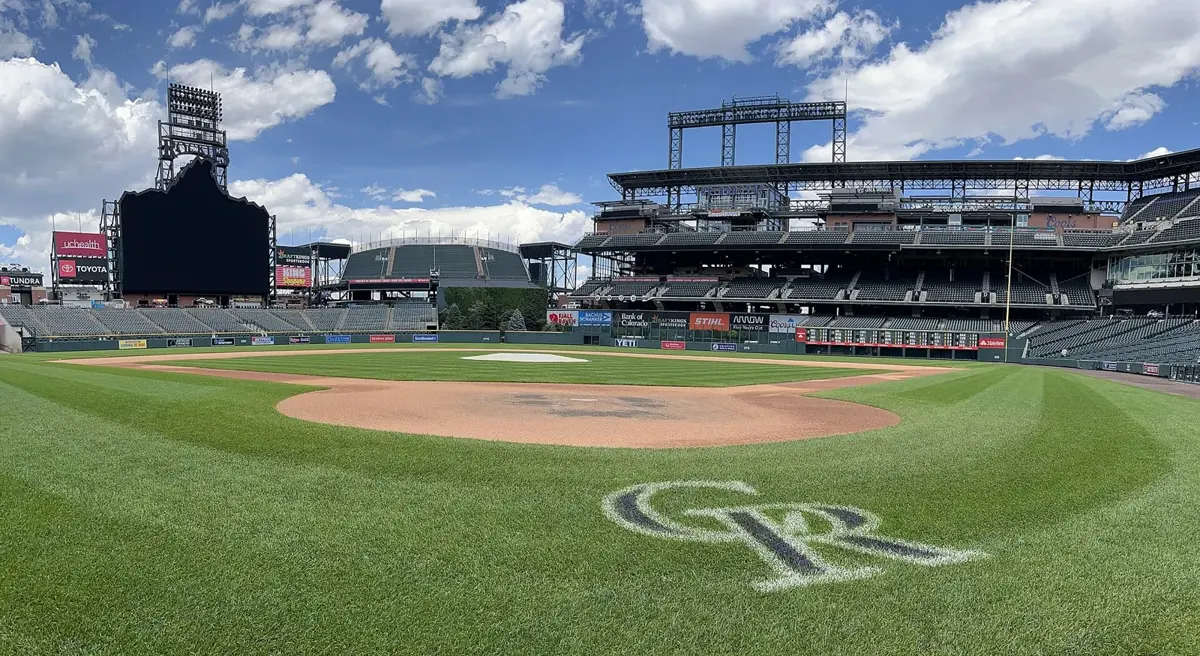
- Venue. Coors Field is a famous example: at roughly 5,200 feet, thinner air helps fly balls carry, and Rockies home games have historically been known for higher scoring. Books price that in.
Team totals and period totals
Most books offer team totals (points for one team only), plus first-half, quarter, period, and inning totals. Example: Home team total 24.5, or first-half total 23.5. These let you focus on a specific part of a game you have an opinion about.
Overtime and extra innings
For most full-game totals, overtime and extra innings count. That matters: an overtime period can push a game past the number. Check each book's rules, especially for hockey shootouts, which are typically scored as a single goal for the winning team.
Sport notes
Football: totals are often in the 40s for the NFL; college totals vary more widely. Basketball: NBA totals are commonly well above 200 points. Baseball: totals are usually in the 7-to-11 range and depend on starting pitchers. Hockey: totals are typically around 5.5 or 6.5, often with adjusted prices rather than moving numbers.
Common traps
- Rooting for points is fun — and many recreational bettors lean toward overs. Books know it.
- Late garbage-time scores can flip a total, which is part of the drama and part of the frustration.
- Weather forecasts change. By the time the forecast is common knowledge, the total has usually moved.
The takeaway
Totals are a great way to engage with a game you don't have a rooting interest in. Priced at -110 on both sides, you still need about 52.4% winners to break even. Keep it small and keep it fun.
Worked example
Example: an NBA total opens at 228.5 and moves to 224.5 after a star is ruled out. A bettor who took the under at 228.5 has a better number than one who takes it later. The final is 112-110, or 222 points, so both unders win. If the final were 115-112 (227), only the early under would have won. Timing and numbers matter as much as the opinion itself.
Common mistakes
- Forgetting that overtime usually counts.
- Betting overs just because high-scoring games are more fun to watch.